 Whatsapp:
  Email: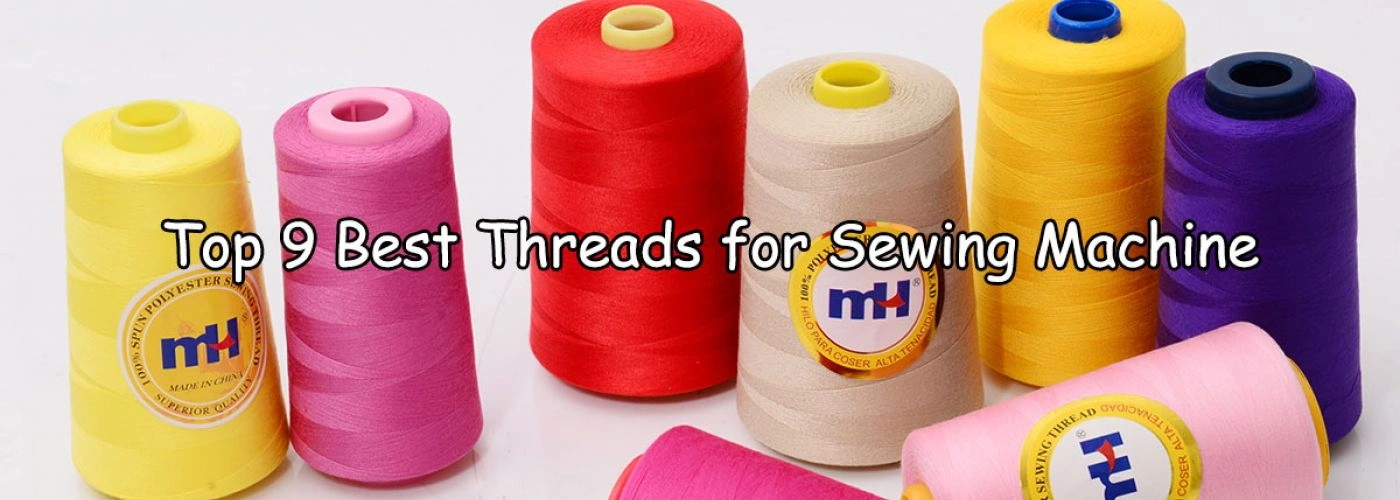
Top 9 Best Sewing Machine Thread for Garment Manufacturing
Best Sewing Machine Thread: A Practical Guide for Industrial & Bulk Buyers
Choosing the best sewing machine thread is not only about stitch appearance, but also about production efficiency, batch consistency, and machine stability, especially for garment factories and industrial sewing lines.
For manufacturers producing garments, uniforms, or textile products at scale, the right sewing thread helps reduce thread breakage, minimize downtime, and ensure consistent quality across large-volume orders.
This guide is designed for industrial users, garment factories, and bulk buyers looking to select reliable sewing thread for continuous production.
Looking for industrial sewing thread for bulk supply? Contact us for specifications, samples, and wholesale pricing.


Why Thread Choice Matters in Garment Manufacturing
Selecting the best sewing machine thread is not just about matching colors or brands. The right thread ensures:
- Consistent seam quality and appearance
- Reduced machine downtime due to fewer thread breaks or jams, as high-quality thread is less likely to break during sewing
- Long-lasting garments that withstand washing and wear
- Efficient production with minimal rework or repairs
For these reasons, understanding the different types of sewing machine thread and their best uses is crucial for anyone involved in garment production.
Polyester Thread: The Industry Standard
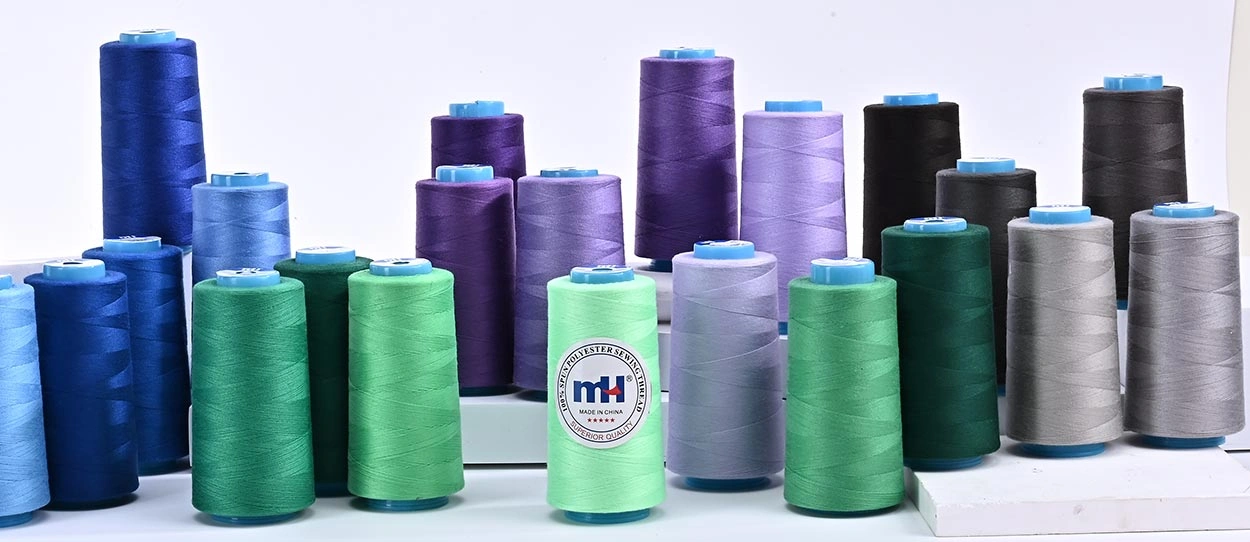
Polyester thread dominates the garment industry because it offers a unique combination of strength, durability, color stability, and low shrinkage. All-purpose polyester thread, in particular, is a go-to choice for most sewing projects, providing reliable performance across a wide range of fabrics and machine types.
What is All-Purpose Polyester Thread?
All-purpose polyester thread is a smooth, strong, and versatile thread suitable for nearly every sewing project. It is commonly used in both industrial and home sewing due to its ability to handle a variety of fabrics and its resistance to breakage and tangling. This thread type is ideal for general seaming, repairs, and most garment construction tasks.
Quick Comparison: Top Sewing Machine Thread Types
To help you choose the right thread for your needs, here’s a summary table comparing the top recommended thread types for different sewing machine uses:
| Thread Type | Best For | Key Features |
|---|---|---|
| Spun polyester thread | General seaming, cost efficiency | Balanced strength, good softness |
| All-purpose polyester thread | General sewing, most projects | Smooth, strong, versatile, easy to use |
| Core-spun polyester thread | High-speed, mass production | High-tenacity core, smooth sewability |
| High-tenacity polyester filament | Heavy-duty, stress points | Superior tensile strength, abrasion resistance |
| Textured polyester thread | Knitwear, comfort seams | Soft, elastic, excellent seam coverage |
| Bonded nylon thread | Heavy-duty, abrasion resistance | Treated for durability, reduced fraying |
| Lubricated polyester thread | High-speed industrial sewing | Reduced friction, improved machine efficiency |
| Low-shrinkage polyester thread | Wash-stable apparel | Maintains shape and seam appearance after washing |
| High-colorfast polyester thread | Fashion, dyed fabrics | Retains color after washing and exposure |
All-purpose polyester thread is generally well-suited for most sewing projects and is often made by trusted brands like Coats & Clark or Gütermann, which help prevent breaks and tangles.
Working with a Sewing Machine: Ensuring Compatibility and Performance
Selecting the right thread for your sewing machine is a crucial step in achieving professional results, whether you’re working on a large-scale garment manufacturing line or tackling your latest project at home. The compatibility between your sewing machine and the thread you use can make a big difference in both the ease of sewing and the durability of your finished seams.
When choosing a thread type for your sewing project, start by considering the thread type recommended for your machine and fabric. Using a thread that matches your machine’s capabilities—such as all-purpose sewing thread or specialized polyester thread—helps prevent issues like skipped stitches, thread breakage, or uneven tension.
Thread weight is another key factor; lighter threads are ideal for delicate fabrics and fine stitching, while heavier threads provide extra strength for top stitching or upholstery work.
For optimal machine sewing results, always use the correct needle for your chosen thread and fabric. This ensures smooth stitching and prevents damage. Winding the right thread onto the bobbin and selecting the appropriate spool size are also important steps that can impact your machine sewing performance.
If your sewing machine is having trouble, it may be due to the thread or the needle, so double-check both when troubleshooting. Quality thread is essential to prevent issues like thread breakage and machine jams.
It’s also important to select a good quality thread from reputable thread brands, such as Coats & Clark or Gütermann. Consistent manufacturing ensures smooth feeding through your machine and reduces lint buildup. Always check your sewing machine’s manual for guidance on compatible thread types and adjust your needle size accordingly to match the thread weight.
By taking the time to choose the right thread for your sewing machine and project, you’ll not only protect your equipment but also enhance the appearance and longevity of your garments. The right thread truly makes a big difference in every sewing project, from the first stitch to the final seam.
Now that you understand the importance of thread compatibility and quality, let’s explore the top polyester sewing thread solutions for garment manufacturing.
1. Spun Polyester Sewing Thread
Key Features
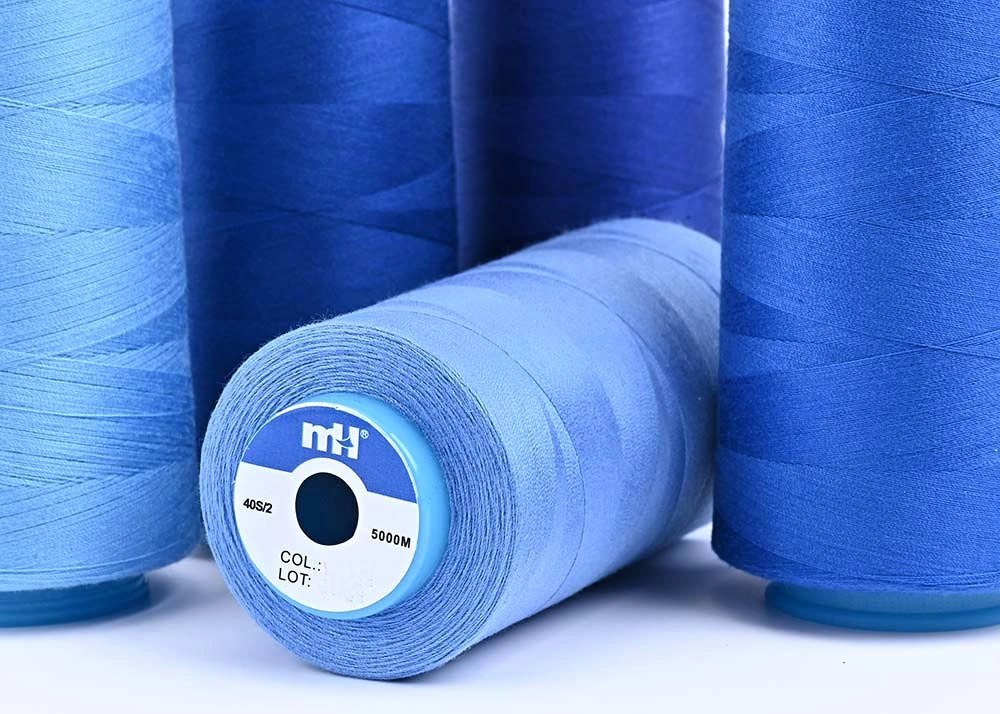
- Offers consistent quality, balanced strength, and good softness
- Cost-effective and versatile for a wide range of garments
Best For
- General seaming across multiple fabric types
Typical Applications
- General seams on cotton, polyester, and blended fabrics
To achieve the best results, try using different threads and experiment with other brands to find the best match for your sewing machine and specific project. Thread choice can affect how your sewing machine functions, so experimenting with different thread types and brands is recommended for optimal results.
It is especially popular in factories producing high volumes with diverse styles.
2. Core-Spun Polyester Sewing Thread
Key Features
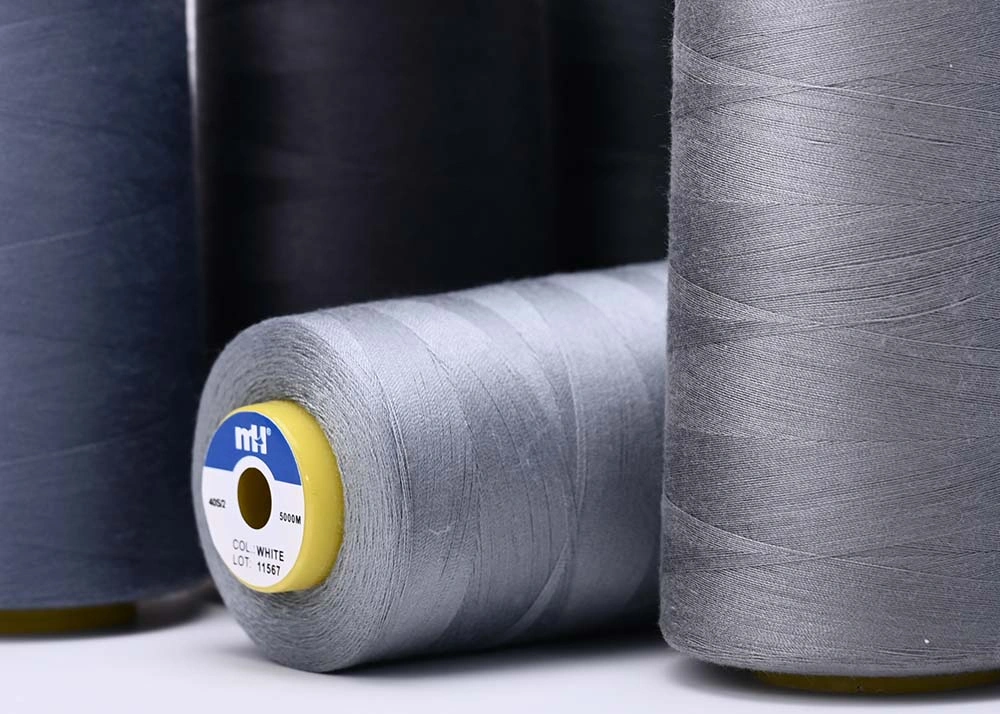
- Combines a high-tenacity filament core with a spun polyester surface
- Delivers the ideal balance of seam strength, smooth sewability, and machine stability
Best For
- High-speed lockstitch lines
- Mass apparel production
Typical Applications
- Shirts, trousers, uniforms, casualwear, daily apparel seams
From our experience supplying large garment factories, this construction remains the most widely specified thread for woven apparel production worldwide.
3. High-Tenacity Polyester Filament Thread
Key Features
- Manufactured from continuous filament polyester
- Provides superior tensile strength and abrasion resistance
Best For
- Workwear, denim, uniforms, shoes
Typical Applications
- Denim stress areas, workwear seams, reinforced garment parts
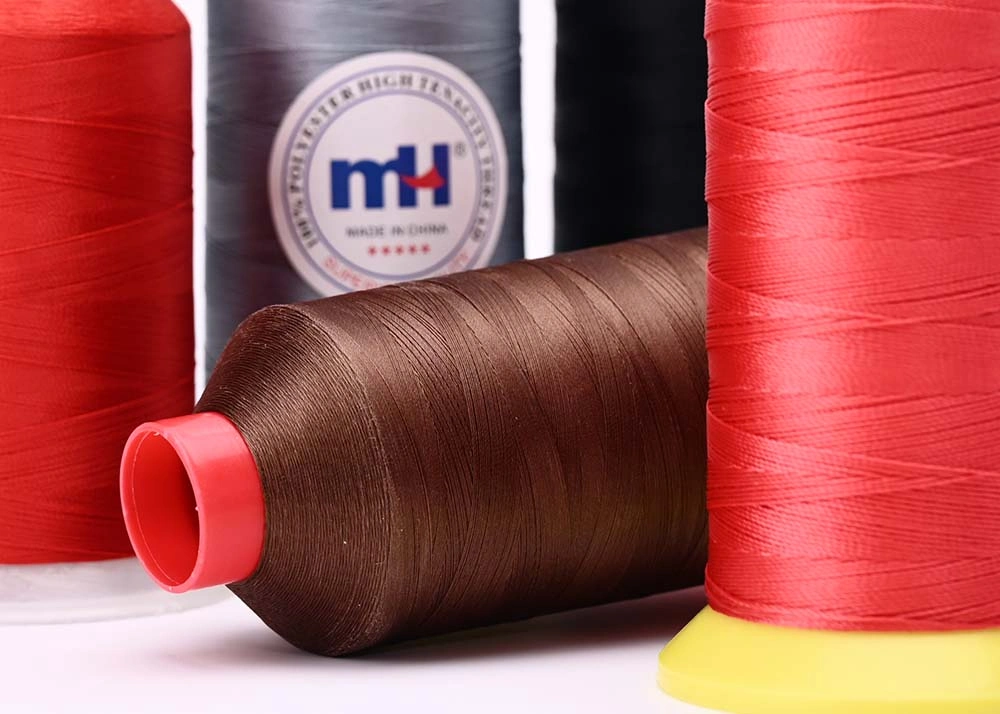
As an extra strong thread, it is ideal for applications that require extra strong thread, such as sewing denim, workwear, and reinforced or stressed seams. Jeans thread is specifically designed for sewing denim and is stronger than regular threads. A polyester cotton blend thread is also commonly used for denim projects due to its durability and authentic finish.
4. Textured Polyester Thread (Overlock / Serger Thread)
Key Features
- Engineered for softness, elasticity, and seam coverage
- Supports both productivity and wearer comfort in knit garments
Best For
- Overlock and coverstitch operations
Typical Applications
- Sportswear, underwear, T-shirts, stretch fabrics, knit fabrics
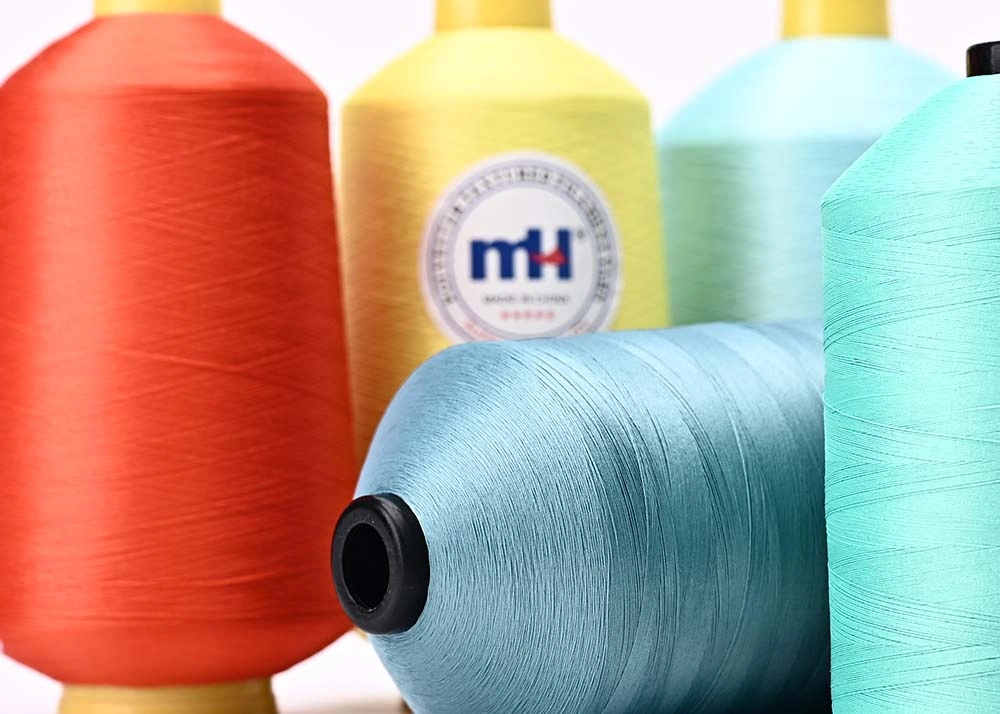
Overlocker threads are typically supplied on large spools, making them ideal for extensive sewing projects. Woolly nylon thread is used for sewing and hemming very stretchy fabrics, such as those found in swimwear and sportswear. Elastic thread is used to sew knit fabrics and is both stretchy and durable. Overlocker threads come in large spools and are designed for use with overlock machines, typically made from polyester for durability and stretch.
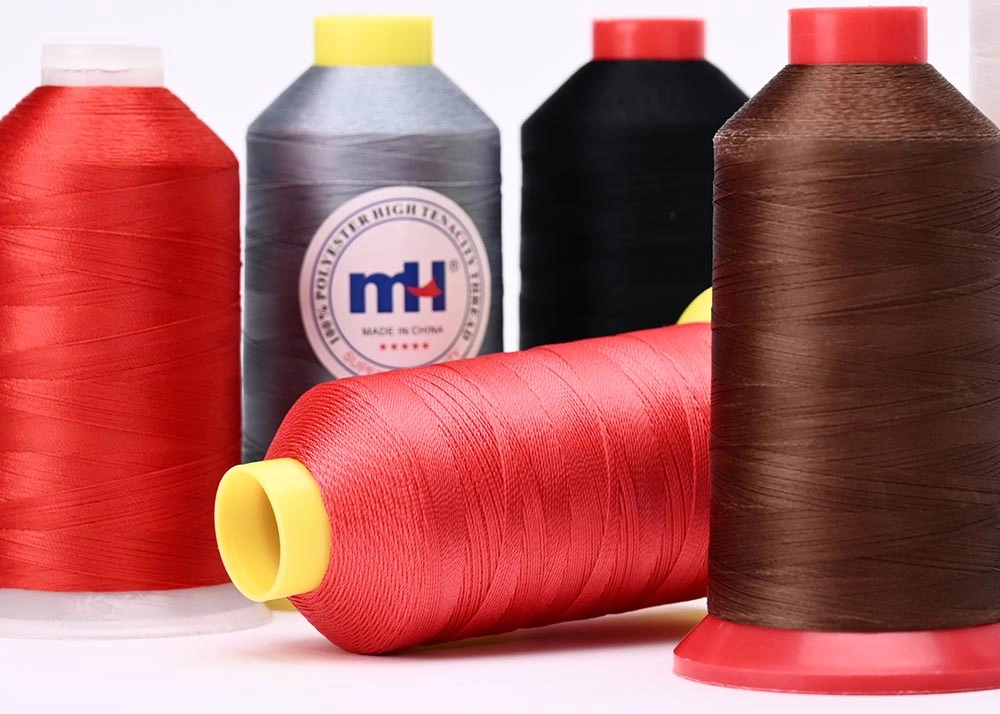
5. Continuous Filament Polyester Sewing Thread
Key Features
- Uniform structure and low lint
- Delivers clean stitches and stable performance on high-speed machines
Best For
- Fine fabrics and technical garments
Typical Applications
- Lightweight apparel, linings, functional garments
6. Bonded Nylon Thread
Key Features
- Enhanced abrasion resistance
- Treated to reduce fraying and improve seam integrity
Best For
- Garments exposed to friction or repeated stress
Typical Applications
- Outdoor garments, leather goods, uniforms, reinforced areas, upholstery thread for heavy-duty upholstery projects
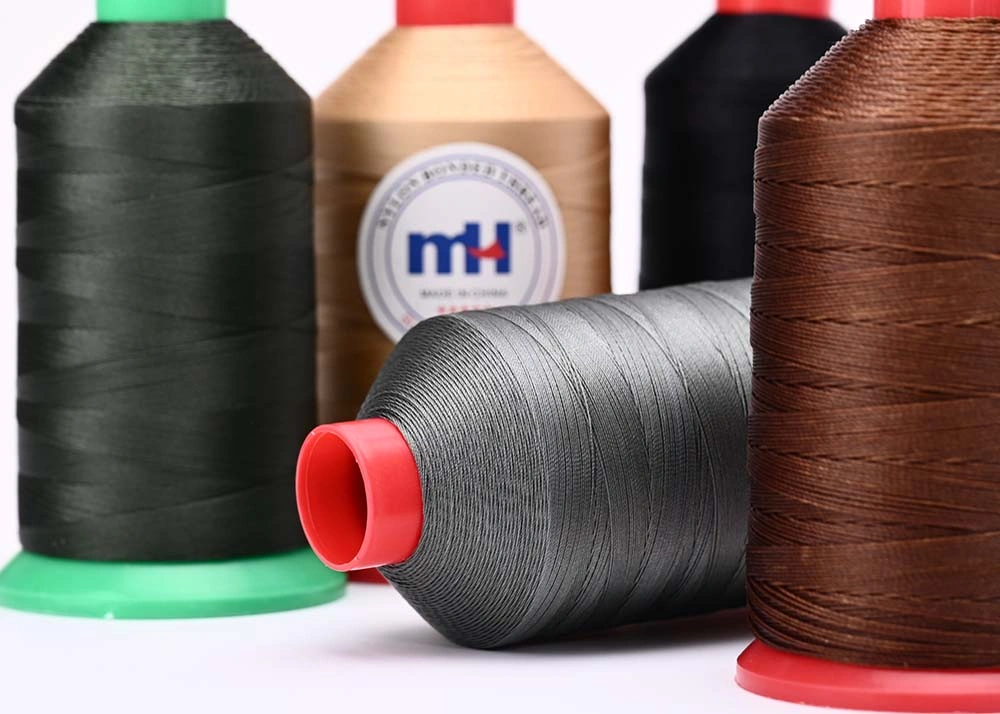
Heavy-duty nylon thread is also used for decorative stitching on denim and upholstery, providing both strength and visual appeal.
7. Lubricated Polyester Sewing Thread
Key Features
- Lubrication helps reduce needle heat and friction
- Improves machine efficiency and thread consistency during long production runs
Best For
- Continuous, high-RPM production lines
Typical Applications
- Large-scale factories with automated or high-speed equipment
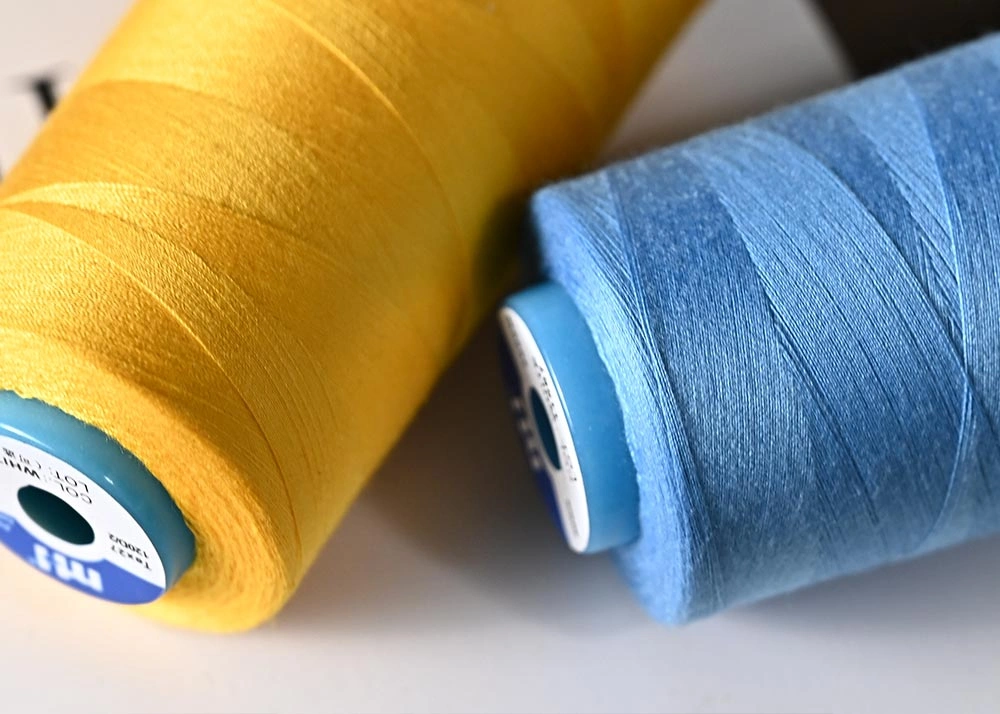
8. Low-Shrinkage Polyester Sewing Thread
Key Features
- Maintains seam appearance and garment shape after repeated washing and finishing processes
Best For
- Garments requiring dimensional stability
Typical Applications
- Uniforms, children’s wear, washable apparel
9. High-Colorfast Polyester Sewing Thread
Key Features
- High colorfastness ensures seams retain their shade after washing, rubbing, and light exposure
Best For
- Dyed and fashion fabrics
Typical Applications
- Fashion apparel, colored fabrics, darker fabrics, brand-sensitive products
If you can't find an exact colour match, choose a thread one to two shades darker than the fabric, as light thread will stand out more.
How Professional Manufacturers Select Polyester Sewing Thread
From a manufacturing perspective, selecting the right polyester thread involves more than price. Professional suppliers and factories typically evaluate:
- Compatibility with industrial sewing machines
- Performance at high sewing speeds
- Consistency between batches
- Seam strength after washing and wear
-
Long-term supply stability and technical support
This is why garment factories often rely on experienced industrial thread manufacturers rather than generic thread sources. Reputable thread companies also provide shade charts and technical support to ensure the right thread selection for each project.
Transitioning from thread selection, it’s equally important to consider how you store and maintain your threads for optimal performance.
Thread Storage and Maintenance
Proper thread storage and maintenance are essential steps for anyone looking to get the most out of their sewing machine and achieve consistently high-quality results in every sewing project. Whether you’re working with cotton thread, polyester thread, elastic thread, or specialty threads like silk thread or serger thread, how you store and care for your threads can make a big difference in both their lifespan and performance.
To protect your sewing thread from fading, weakening, or becoming brittle, follow these tips:
- Store threads in a cool, dry place away from direct sunlight and extreme temperatures.
- Keep threads in sealed containers or thread boxes to prevent dust and moisture exposure.
- Avoid storing threads near heat sources or in humid environments.
- Rotate your thread stock to use older spools first and prevent deterioration.
This is especially important for natural fibers like cotton thread, which can be more sensitive to environmental changes, but it also helps preserve the strength and color of polyester threads and all purpose sewing thread.
With proper storage and care, your thread will perform reliably in every project. Next, let's review key insights from an industrial supplier.
Final Insight from an Industrial Supplier
- Most factories standardize on spun polyester for lockstitch operations and textured polyester for overlock and knitwear.
- These two categories cover the majority of apparel sewing needs.
- Specialized polyester threads are selected for specific garment functions, including special thread types designed for unique applications.
- Choosing reputable brands like Coats & Clark or Gütermann helps prevent thread breaks and tangles, ensuring smooth production.
About MH Thread
MH Thread is a professional supplier of industrial sewing thread, focusing on bulk supply for garment factories and manufacturers worldwide.
We support customers with:
- Consistent quality across large-volume orders
- Stable dye lots for repeat production
- OEM & private label support
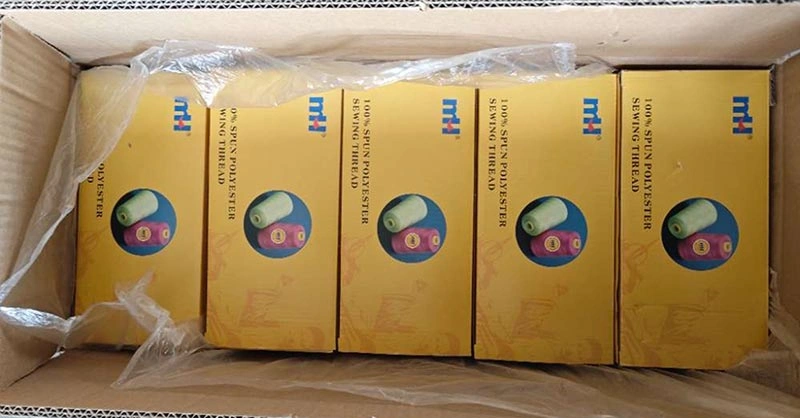
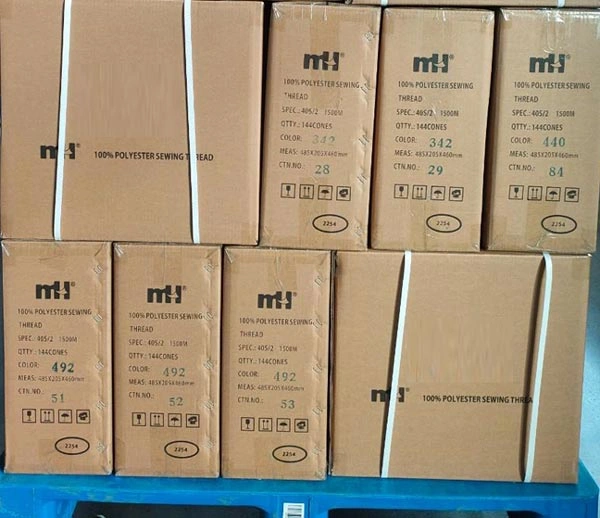
- Reliable export packaging and logistics
Our sewing threads are designed for industrial use, not retail or hobby sewing.
Looking for a Reliable Sewing Thread Supplier?
Whether you are sourcing sewing thread for mass production or developing a long-term supply solution, our team is ready to support your business.
👉 Get Wholesale Quote | Request Sample | Confirm Specifications
