 Whatsapp:
  Email:
Polyester Thread: A Complete Guide for Industrial & Bulk Buyers
Polyester thread is one of the most widely used sewing threads in industrial garment manufacturing, embroidery production, upholstery, and outdoor applications, as well as in home furnishings such as curtains, and in crafts. As a versatile material, polyester thread is used in a wide range of products, including clothes, home furnishings, and various crafts, and is suitable for heavy duty projects. Known for its durability, versatility, and resistance to moisture and abrasion, polyester thread plays a critical role in ensuring stable production, seam strength, and batch consistency.
For garment factories, embroidery workshops, and wholesale buyers, polyester thread is widely used in the apparel industry due to its durability and strength. It is also widely used in sewing for its durability and versatility, especially in garment construction, activewear, and outdoor projects. Choosing the right polyester thread directly impacts machine efficiency, product quality, and long-term cost control. This guide provides a comprehensive B2B overview of polyester thread types, specifications, applications, and sourcing considerations, helping buyers make informed procurement decisions.
👉 Looking for polyester thread for bulk supply or factory use? Request specifications, samples, and wholesale pricing from a reliable manufacturer.


Introduction to Sewing Thread
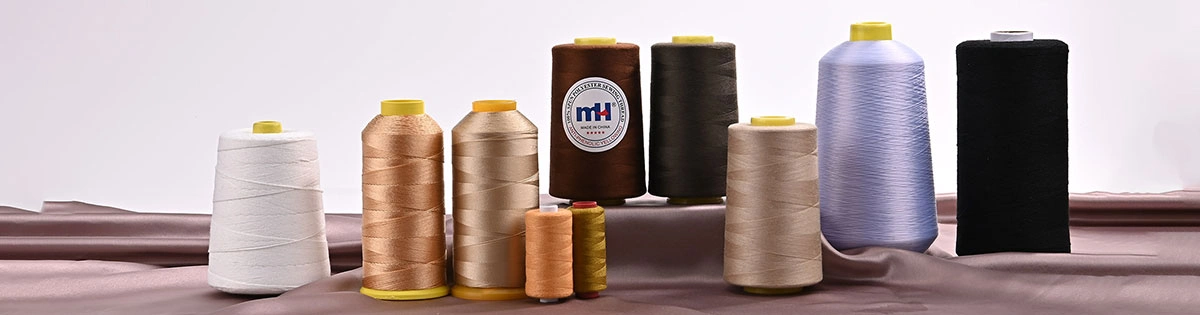
Sewing thread is the backbone of any successful sewing project, whether you’re working on quilting, embroidery, or decorative stitching. The right sewing thread not only holds fabric pieces together but also enhances the durability and appearance of the finished product. Among the many options available, polyester thread stands out as a preferred choice for both industrial and home applications. Its exceptional strength, resistance to abrasion, and ability to maintain color and integrity through repeated use make it ideal for a wide range of sewing, quilting, and embroidery projects. By understanding the unique properties of polyester thread, buyers can ensure their stitching is both reliable and visually appealing, no matter the scale or complexity of the project.
What Is Polyester Thread?
Polyester thread is made from synthetic polyester fibers, primarily derived from polyethylene terephthalate (PET). As a material, polyester is known for its strength, durability, and broad usage in various products such as hoses, ropes, upholstery, and filling. Through controlled chemical processing and spinning, polyester fibers are converted into sewing threads with high tensile strength, excellent abrasion resistance, and stable performance under high-speed sewing conditions.
Compared with natural fiber threads, polyester thread offers:
- Superior resistance to stretching, tearing, and fraying
- Low moisture absorption, suitable for humid or outdoor environments
- Excellent color fastness and chemical resistance
- Long service life in industrial and commercial use
- Highly resistant to mold, mildew, and sunlight
Because of these advantages, polyester thread is widely used in apparel manufacturing, home textiles, automotive interiors, outdoor products, and industrial sewing applications. Polyester thread is also used in automotive manufacturing for sewing safety belts and high-quality seats.
Types of Polyester Thread: Production & Industrial Features
Different production methods result in polyester threads with distinct performance characteristics. Understanding these differences is essential for selecting the right thread for your production line.
Spun Polyester Thread
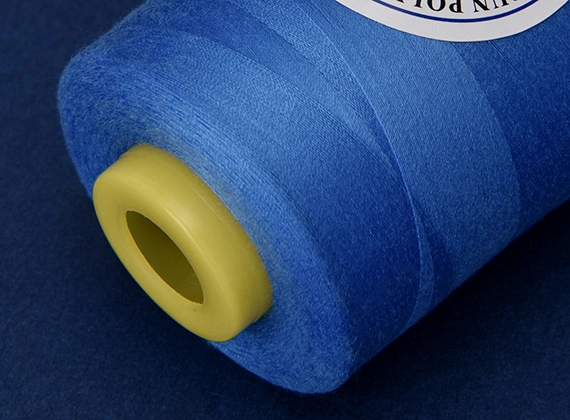
Spun polyester thread is produced by twisting short polyester staple fibers, similar to cotton spinning processes. This gives the thread a soft, matte appearance. Spun polyester is widely known as a general-purpose thread and is often referred to as 'PP' or 'PP Spun' in the industry. It is an all-purpose sewing thread suitable for both knit and woven fabrics.
Spun polyester is cost-effective to manufacture, making it an affordable option. However, it lacks the strength of corespun, filament, or trilobal polyester threads.
Industrial Features:
Cheap, economical, and cost-effective option for general-purpose sewing
Widely available Suitable for general garment manufacturing
Spun polyester mimics cotton's look and feel but is stronger and has less shrinkage, making it ideal for everyday sewing
Lower strength compared to filament-based threads
Typical Applications: Shirts, trousers, dresses, uniforms, and light-to-medium weight fabrics.
Textured Polyester Thread
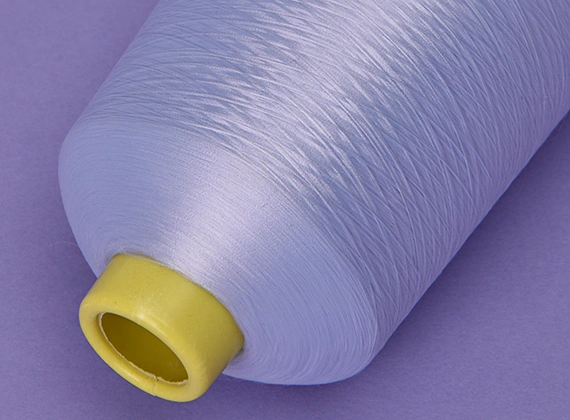
Continuous polyester filaments are extruded, drawn, and textured through crimping or air-texturing to create elasticity and bulk.
Industrial Features
- Excellent stretch and recovery
- Better stitch coverage due to fluffiness
- Ideal for overlocking and rolled hems
Typical Applications:
Stretch fabrics, sportswear, swimwear, lingerie, spandex and Lycra garments.
Corespun Polyester Thread
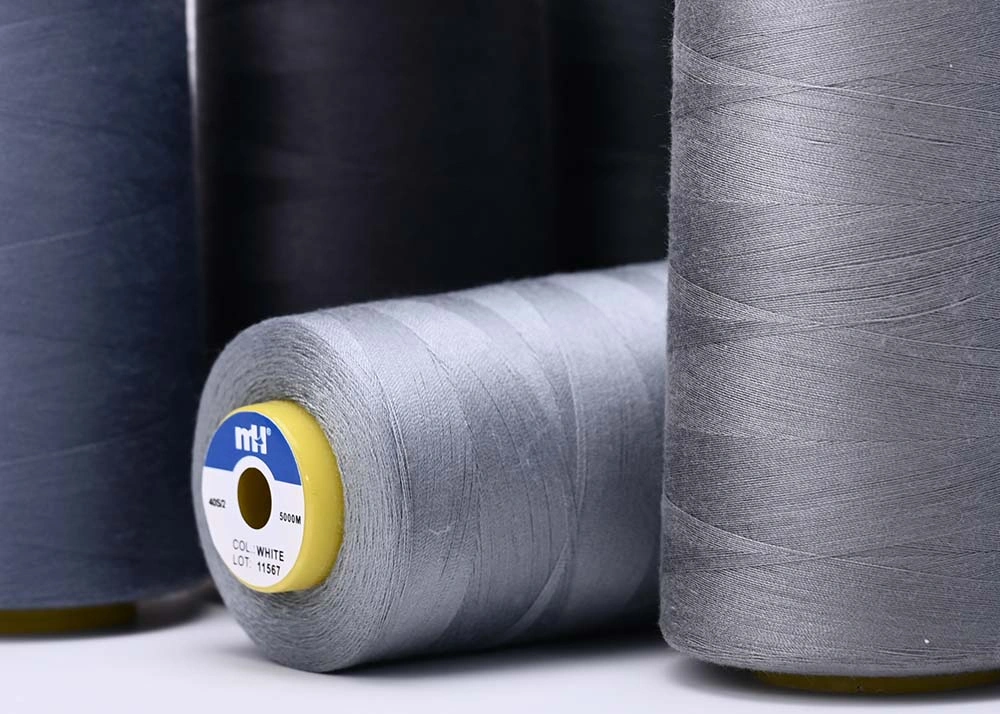
Corepsun polyester thread consists of a high-strength polyester filament core wrapped with spun polyester fibers, combining strength with a matte finish.
Industrial Features
- Higher tensile strength than spun polyester
- Smooth sewing performance at high speeds
- Balanced durability and appearance
Typical Applications
Quilting, fashion garments, denim, workwear, and export-quality apparel.
Heavy-Duty Polyester Sewing Thread (Filament / High-Tenacity)
Made from continuous multi-filament polyester yarns twisted together. Unlike monofilament threads, these are not transparent and provide superior strength.
Industrial Features
- Thick and robust construction for enhanced durability
- Lint-free, reducing machine maintenance
- High strength and abrasion resistance
- Tear resistant, fade resistant, and able to withstand high-speed sewing, making them ideal for heavy-weight fabrics
- Suitable for continuous industrial sewing
Typical ApplicationsBags, luggage, upholstery, footwear, and industrial textiles.
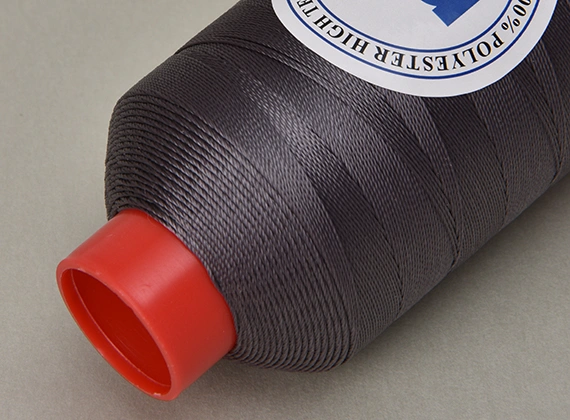
Bonded Polyester Sewing Thread
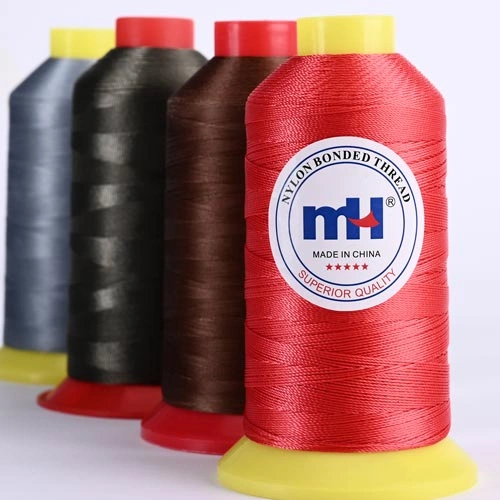
Bonded polyester thread is constructed with multiple plies coated with a resin or polymer bonding agent, preventing untwisting during sewing.
Industrial Features
- Excellent UV resistance
- Reduced friction during high-speed stitching
- Exceptional seam durability
Outdoor furniture, automotive upholstery, marine products, heavy-duty sewing.
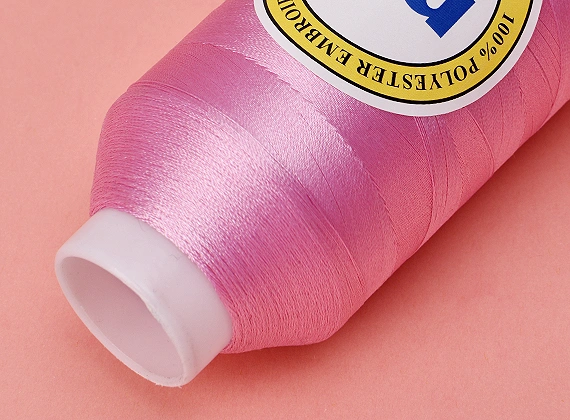
Polyester embroidery thread
Made from high-quality polyester filaments engineered for embroidery machines.
Industrial Features
- High color fastness and UV resistance
- Strong and durable for frequent washing
- Maintains sheen and color consistency
- Available in variegated (multicolored) options to add color variation and movement to embroidery designs
Typical Applications: Commercial embroidery, logos, uniforms, outdoor textiles, promotional products.
Polyester Thread Size Guide & Industrial Applications
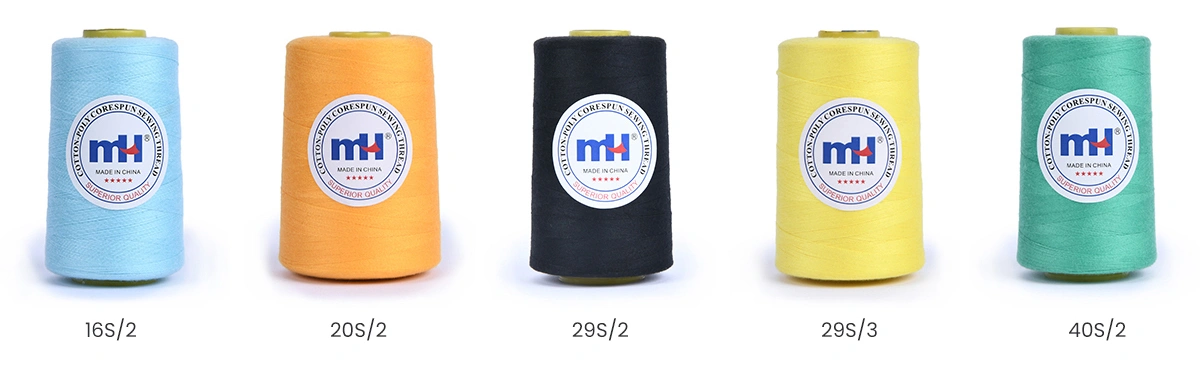
Thread Weight
Polyester thread weight determines thickness and suitability:
-
Lower numbers (e.g. 30wt): thicker threads for heavy fabrics
-
Higher numbers (e.g. 50wt, 60wt): finer threads for detailed work
Choosing the correct thread weight ensures seam strength, stitch appearance, and machine stability.
English Count (Ne)
English Count is an indirect sizing system where higher numbers indicate finer threads. It is commonly used in industrial thread specification and sourcing.
👉 For bulk buyers, confirming thread size systems (Tex, Ticket, Ne) before ordering is essential to avoid production mismatch.
Standard, Fine & Very Fine Polyester Threads
Standard Polyester Thread
-
Suitable for general sewing and embroidery
-
Durable and versatile for mass production
-
Available in a wide range of colors
Fine Polyester Thread
-
Ideal for precision stitching and small lettering
-
Smooth appearance and clean stitch definition
Very Fine Polyester Thread
-
Designed for intricate embroidery and detailed designs
-
Suitable for sequins, filigree, and high-resolution patterns
Ensuring Quality & Reliability in Polyester Thread Supply
For industrial buyers, thread quality consistency is as important as thread performance. High-quality polyester threads are designed to handle the demands of various sewing projects, ensuring smooth operation even in high-tension and professional applications.
Certifications & Safety
Polyester threads certified under OEKO-TEX® STANDARD 100 ensure:
-
Safe chemical processing
-
Absence of harmful substances
-
Compliance with international textile standards
Performance Properties
-
High abrasion resistance for long-lasting seams
-
Excellent looping resistance for smooth machine operation
-
Minimal fiber lint production, helping maintain clean seams and smooth sewing processes
-
Stable performance under frequent washing and mechanical stress
These properties are critical for export-oriented garment manufacturing and long-term supply contracts.
Hand Sewing with Polyester
Polyester thread is a versatile and durable option for hand sewing, making it suitable for projects ranging from leatherwork and quilting to detailed beading. When selecting a polyester thread for hand sewing, it’s important to consider the specific needs of your project, such as thread strength, color, and texture. Spun polyester offers a soft, matte finish with low lint, while filament polyester provides a smooth, strong thread that glides easily through fabric. Both types deliver excellent thread strength and are well-suited for hand sewing tasks that require durability and a clean finish. For best results, use a sharp needle, maintain even tension, and choose a thread that matches your fabric and desired look. This approach ensures your hand-sewn seams are both strong and visually consistent, whether you’re working with leather, quilting layers, or delicate materials.
Sewing Machine Compatibility
Polyester thread is highly compatible with most modern sewing machines, making it an ideal choice for machine sewing across a variety of fabrics and applications. Its smooth texture and consistent quality help prevent issues like skipped stitches and thread breakage, even at high speeds. Trilobal polyester thread, in particular, is favored for machine sewing due to its low lint production and ability to deliver vibrant, even stitches. To achieve the best results, pair your polyester thread with a high-quality sewing needle, adjust your machine’s tension settings to suit the thread and fabric, and ensure the thread matches the strength requirements of your project. This careful selection and setup will help you achieve strong, smooth seams and professional-quality results on any sewing machine.
Thread Care and Maintenance
Proper care and maintenance of polyester thread are essential for ensuring smooth sewing and extending the life of your thread supply. To prevent issues such as seam crimping, tangling, or breaking, always store polyester thread in a cool, dry environment, away from direct sunlight and excess moisture. Exposure to extreme temperatures or chemicals can weaken the thread fibers and compromise durability. Regularly cleaning your sewing machine and changing needles as needed will also help prevent thread breakage and maintain smooth, even stitching. By following these simple care practices, you can protect your polyester thread investment and ensure consistent, high-quality results in every sewing project.
Troubleshooting Common Issues
When working with polyester thread, some common challenges include tangling, breaking, and seam crimping. To address these issues, start by verifying the quality of your thread and ensuring it is suitable for your specific project. Adjust your sewing machine’s tension settings to match the thread and fabric, and use the appropriate needle size and type. If you experience tangling, consider using a thread conditioner or a thread roller to help manage the fibers. For thread breaking, inspect the thread for any signs of damage or weakness, and make sure your machine is properly maintained. By proactively managing these factors, you can minimize disruptions and achieve smooth, reliable stitching in all your polyester thread projects.
Major Polyester Manufacturers & Global Supply Chain (2025)
Polyester fiber and thread production is supported by global manufacturers, including leading chemical and textile groups. Among industrial sewing thread suppliers, Chinese manufacturers play a key role in bulk production, customization, and cost efficiency.
👉 Looking to source polyester thread directly from a Chinese factory?
MH offers industrial polyester sewing threads for bulk and OEM supply.
Why Order Polyester Thread in Bulk?
For factories and wholesalers, bulk purchasing offers:
-
Lower unit cost
-
Stable supply for continuous production
-
Consistent color and batch quality
-
Better logistics and lead-time control
Bulk sourcing is the preferred solution for garment factories, embroidery businesses, and textile distributors.
Summary: Choosing the Right Polyester Thread for Industrial Use
Polyester thread remains a cornerstone of modern industrial sewing due to its strength, durability, and adaptability. It is the perfect choice for applications requiring exceptional durability and reliability, such as leather work, marine fabric repair, and heavy-duty garment manufacturing. Polyester thread is also a popular choice for quilting due to its reliability and flexibility.
From spun and corespun threads to high-tenacity and bonded polyester threads, each type serves specific production needs. Don’t be afraid to discover new thread types and vibrant colors—experimenting can lead to surprising results and enhance your quilting or decorative projects.
By understanding thread types, sizes, weights, certifications, and application scenarios, industrial buyers can optimize production efficiency and product quality. Selecting a reliable polyester thread supplier ensures long-term stability, consistent batches, and scalable supply for growing businesses.
👉 Need polyester thread for factory production or wholesale distribution?Contact us to request technical specifications, samples, and competitive bulk pricing.
Frequently Asked Questions (FAQ)
Why is polyester thread ideal for industrial sewing?Because it offers high strength, abrasion resistance, moisture resistance, and consistent performance on high-speed machines. Polyester thread is also known for its remarkable strength, durability, and environmental resistance, making it suitable for various crafts and heavy-duty projects such as sewing canvas, denim garments, and handbags.
Which polyester thread is best for outdoor use?Bonded polyester thread is preferred due to its excellent UV resistance and durability. It is highly resistant to mold, mildew, and abrasion, making it suitable for heavy-duty applications like upholstery, marine textiles, sails, canvas, denim garments, and handbags.
How can I ensure thread quality before bulk ordering?Request samples, confirm specifications, and verify certifications such as OEKO-TEX® STANDARD 100.
What are the benefits of bulk purchasing polyester thread?Lower costs, consistent quality, stable supply, and improved production planning.
Is polyester thread compatible with home machines?Yes, polyester thread works well with home machines, as well as industrial and longarm machines. It is suitable for high-tension settings and performs reliably with the appropriate needle choice.
What is the environmental impact of polyester thread?Polyester is not biodegradable and can take up to 200 years to decompose in landfills.
