Whatsapp:
  Email:
What Are the Best Bulk Sewing Thread Options for Small Clothing Factories?
In the competitive landscape of garment manufacturing, the smallest components often dictate the final quality of the product. For small clothing factories, sewing thread is not merely a consumable; it is the structural spine of the garment. Selecting the correct bulk sewing thread options determines production speed, machine downtime, and the longevity of the finished apparel.
Bulk sewing thread options are available in a wide variety of colors and materials, and are often sold in spools of varying lengths such as 250 yards or 1000 yards to suit different production needs. In addition, features like colorfastness ensure threads maintain their color after washing, while low lint properties help reduce buildup in sewing machines—both of which are valuable additions that enhance thread quality and minimize maintenance for small factories.
This guide examines the critical factors small factories must consider when sourcing thread in bulk, analyzes the technical differences between materials, and highlights why MH Sewing Thread remains a preferred partner for manufacturers worldwide.
The Strategic Advantage of Bulk Purchasing
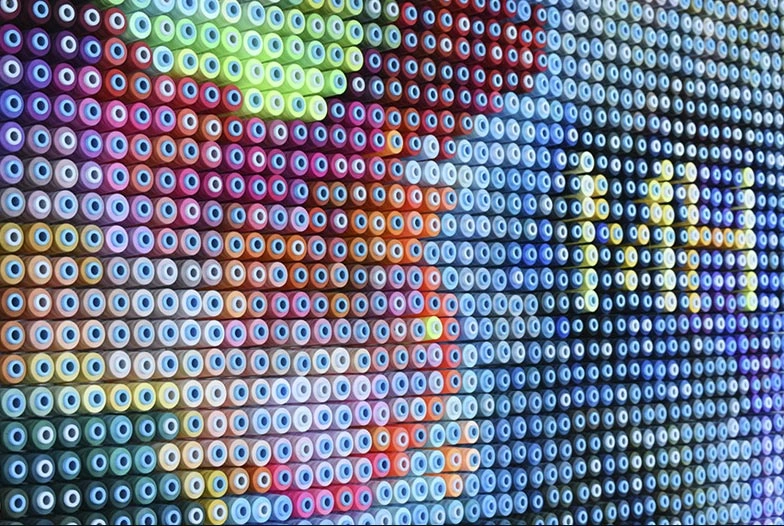
Small clothing factories operate on tighter margins than large-scale industrial plants. Consequently, procurement strategies must balance cost-efficiency with uncompromising quality. Purchasing sewing thread in bulk offers three distinct operational advantages.
1. Cost Optimization
Procuring thread in individual spools or small batches drastically increases the per-unit cost. Bulk purchasing—typically in the form of industrial cones ranging from 3,000 to 5,000 yards or more—reduces the material cost per garment. For a factory producing thousands of units monthly, this reduction translates directly to improved net profit margins.
Bulk purchasing significantly reduces the price per unit and can decrease production costs by up to 30%.
2. Production Consistency
In textile manufacturing, consistency is paramount. Thread sourced in bulk usually comes from the same manufacturing lot. This ensures uniformity in color shade (dye lot consistency) and lubrication levels. Consistent lubrication is vital for maintaining steady tension on high-speed industrial sewing machines, preventing skip stitches and breakage that disrupt the assembly line.
3. Operational Efficiency
Industrial cones minimize the frequency of thread changes. Standard domestic spools run out quickly, forcing operators to halt production to re-thread machines. Large bulk cones allow for continuous operation over longer shifts, maximizing the output per operator hour.
Evaluating Thread Materials for Industrial Use
Selecting the “best” thread depends entirely on the fabric being sewn and the end-use of the garment. Bulk sewing thread is suitable for a wide range of sewing projects, offering versatility and durability for applications such as apparel, home decor, and crafts. A mismatch between thread and fabric leads to seam puckering, breakage, or melted fibers during ironing.
Big Duck Canvas offers discount wholesale pricing for bulk sewing thread purchases.
Polyester Thread: The Industrial Standard
Polyester is the most widely used fiber in the global garment industry due to its high tenacity and resistance to chemicals and abrasion.
-
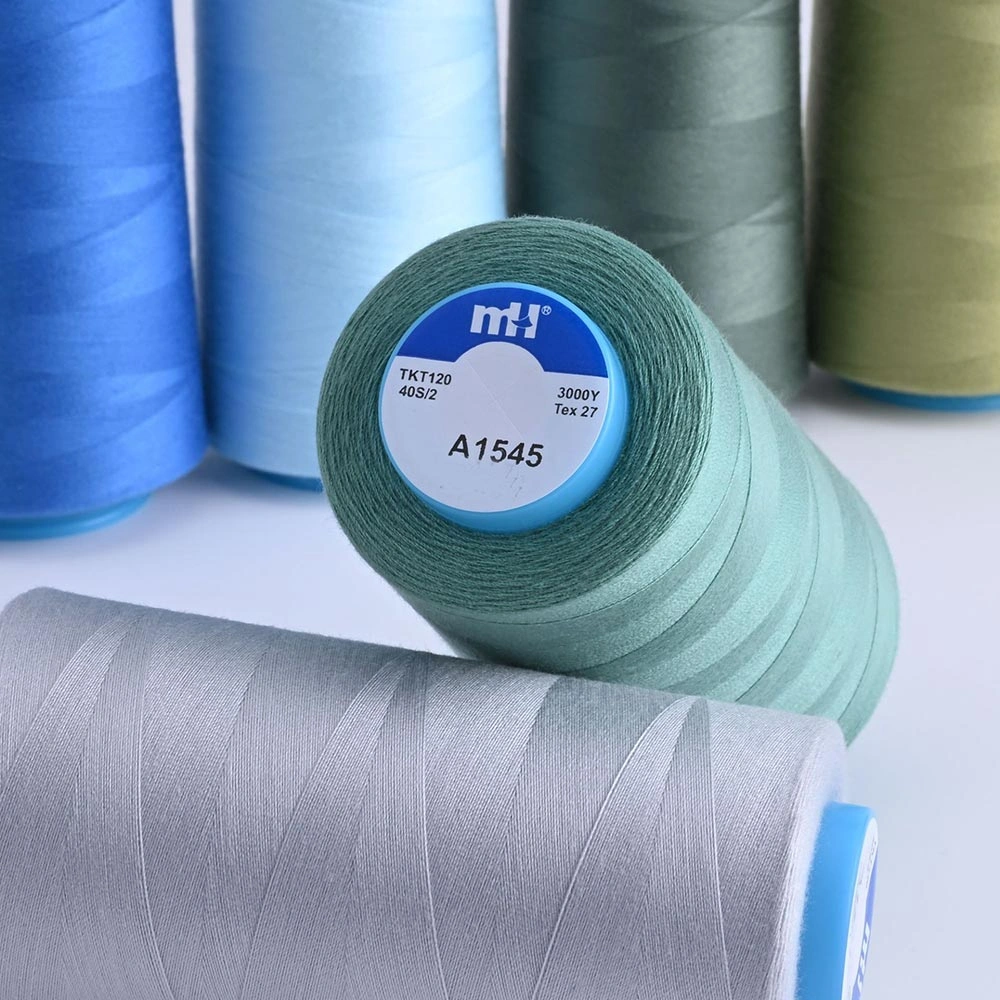
Spun Polyester: Spun polyester thread combines the strength and durability of polyester with a soft touch and subtle sheen. It is the most versatile option for small factories, looking and feeling like cotton but possessing the strength and elasticity of polyester. Spun polyester thread offers excellent colorfastness, maintaining its vibrant hue after washing or exposure to sunlight. It also has a low lint characteristic, reducing lint buildup in sewing machines and making it ideal for both functional and decorative sewing projects across different fabric types. It is suitable for woven fabrics, knits, and blouses. MH Spun Polyester Sewing Thread is engineered for high-speed sewing, capable of withstanding the friction generated by machines running at 5,000+ RPM.
-
Poly-Poly Core Spun: For garments requiring higher strength and seam durability, such as workwear or denim, core-spun polyester is superior. It features a continuous filament polyester core wrapped in a polyester staple wrapper, offering higher strength per fineness compared to 100% spun polyester.
Cotton Thread: The Natural Choice
Cotton thread is necessary for garment dyeing processes. If a factory produces garments in "greige" (raw) fabric to be dyed post-assembly, 100% cotton thread is required because it absorbs dye at the same rate as cotton fabric. However, cotton has lower tensile strength and elasticity than polyester, making it less suitable for stretch fabrics or high-stress seams.
Nylon Thread: Strength and Stretch
Nylon is utilized primarily for its elasticity and high tensile strength.
-
High Tenacity Filament Nylon: Ideal for leather goods, upholstery, and luggage.
-
Textured Nylon: Often used in the loopers of overlock machines for swimwear, lingerie, and activewear. Its softness provides comfort against the skin, while its elasticity accommodates fabric stretch.
Understanding Thread Counts and Ticket Numbers
Small factories often make errors in selecting the correct thread thickness. Industry standards typically use a count system (e.g., 40/2, 20/2) to denote thickness.
-
40/2 (Ticket 120): The general-purpose standard. It is used for shirts, blouses, dresses, and light-to-medium weight trousers.
-
20/2 and 20/3: Thicker threads used for heavy-duty applications like jeans, canvas bags, and decorative top-stitching.
-
50/2 and 60/2: Finer threads used for lightweight fabrics, high-end shirting, and delicate serging.
High-quality bulk sewing threads have stood the test of time, demonstrating durability and reliable performance even in demanding and high-stress applications.
MH provides a comprehensive range of counts, ensuring that factories can source the exact specification required for their machinery and fabric weight.
Why MH Sewing Thread is the Top Choice for Manufacturers
MH has established itself as a trusted leader in the textile industry, providing tailored solutions for garment manufacturers. MH Sewing Thread options meet a wide range of creative needs and project requirements for manufacturers, offering versatility, durability, and consistent quality. When small factories choose MH for their bulk thread needs, they access a level of quality assurance typically reserved for large-scale conglomerates. There is a direct connection between MH's rigorous quality assurance processes and the satisfaction of their customers, ensuring reliable results for every order.
Uncompromised Quality Control
MH Sewing Thread undergoes rigorous testing for tensile strength, color fastness, and twist balance. The products are OEKO-TEX Standard 100 certified, ensuring they are free from harmful substances and safe for human health—a critical requirement for factories exporting to European or North American markets. The thread is treated with high-grade silicone lubricants to ensure smooth passage through needle eyes and tension discs, reducing heat buildup and breakage.
Extensive Color and Product Variety
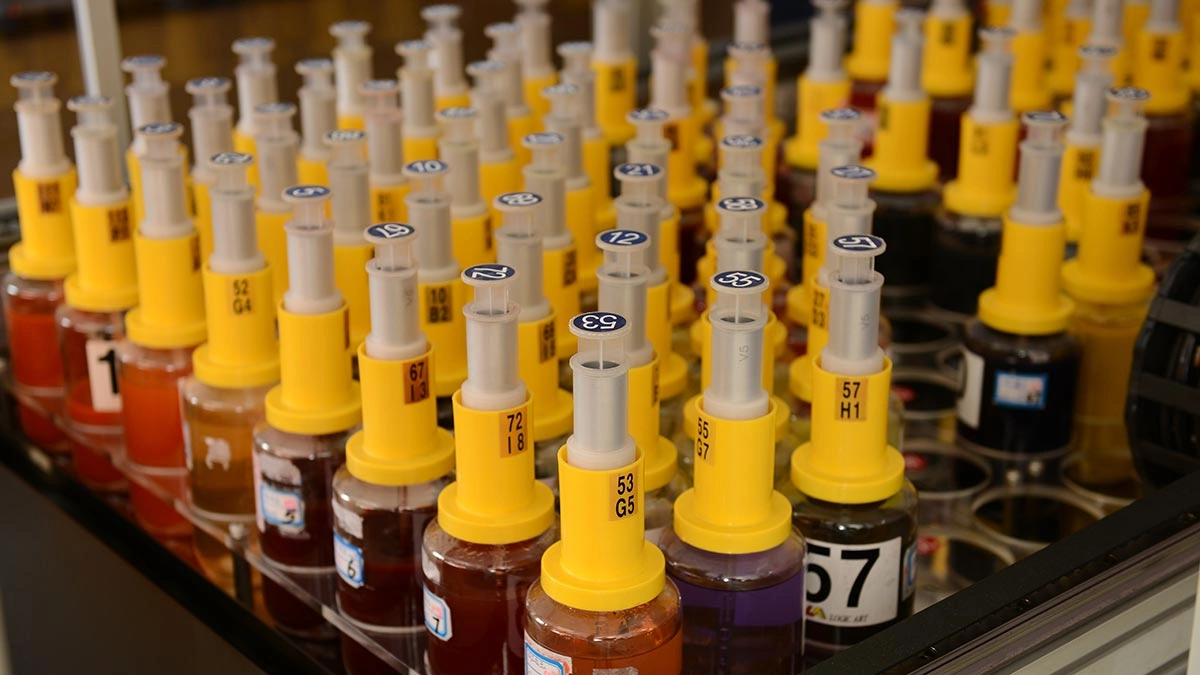
Inventory management presents unique challenges for small factories. MH addresses these needs by offering an extensive color card with thousands of shades, with popular colors such as black and white always available to meet common sewing needs. All threads are produced on a make-to-order basis, allowing clients to specify exact requirements in color, type, and quantity. MH also offers specialized threads and kits for embroidery, catering to customers interested in decorative stitching and machine embroidery. This approach ensures each order is tailored to the factory’s production demands, supporting diverse manufacturing objectives with precision.
Color matching involves choosing a shade slightly darker than the fabric to blend better into shadows.
Supply Chain Reliability
For a small factory, a delay in raw materials can halt production lines and lead to missed delivery deadlines. MH operates with a robust logistics network to support its make-to-order model, ensuring that all custom orders are processed and shipped efficiently. This approach allows factory managers to plan production schedules with confidence, knowing their specific material requirements will be met on time.
Practical Selection Guide for Factory Managers
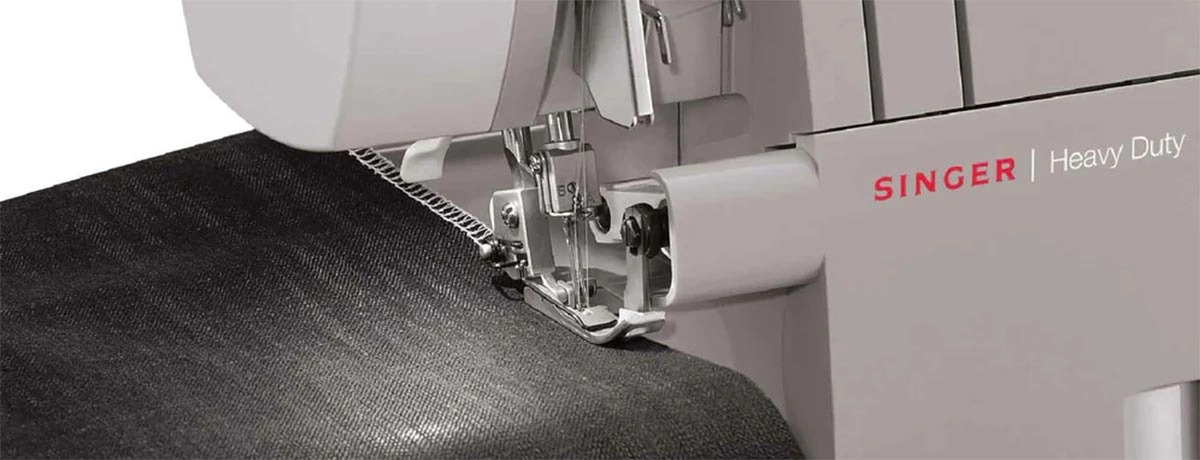
Factory managers should review available bulk sewing thread options to ensure they meet the specific requirements of their sewing projects, whether for apparel, home decor, or crafts.
To maximize efficiency, factory managers should align their bulk thread inventory with their primary product lines.
-
For T-Shirt and Knitwear Production: Prioritize MH Spun Polyester 40/2. It offers the necessary elasticity to move with knit fabrics without snapping, making it ideal for a wide range of sewing projects.
-
For Denim and Workwear: MH Poly-Poly Core Spun or thicker counts of Spun Polyester (like 20/2 or 20/3) are recommended to handle the stress of heavy fabrics and stone-washing processes, ensuring durability across demanding sewing projects.
-
For Activewear and Swimwear: Integrate Textured Nylon for overlocking seams to ensure the seams stretch with the athlete’s movement, suitable for both functional and decorative sewing projects.
-
For High-Speed Automated Machines: Ensure the thread chosen has high heat resistance. MH threads are lubricated specifically to withstand needle heat, preventing the thread from melting and clogging the needle eye, supporting consistent quality in all types of sewing projects.
Conclusion
The choice of bulk sewing thread is a foundational business decision for small clothing factories. It impacts the bottom line through cost savings and influences the brand reputation through garment quality. By selecting the appropriate material and thickness, manufacturers ensure their production lines run smoothly and their finished products withstand daily wear.
MH offers the technical expertise, product variety, and industrial-grade quality necessary to support growing manufacturing operations. We invite you to explore the full range of MH sewing threads and tailoring materials to optimize your factory’s performance.
Visit the MH E-CATALOG today to view our product specifications and place your bulk order. When accessing the MH E-CATALOG or placing a bulk order online, you may be required to verify your identity or complete a security action to ensure a secure connection before proceeding with your order.