Whatsapp:
  Email: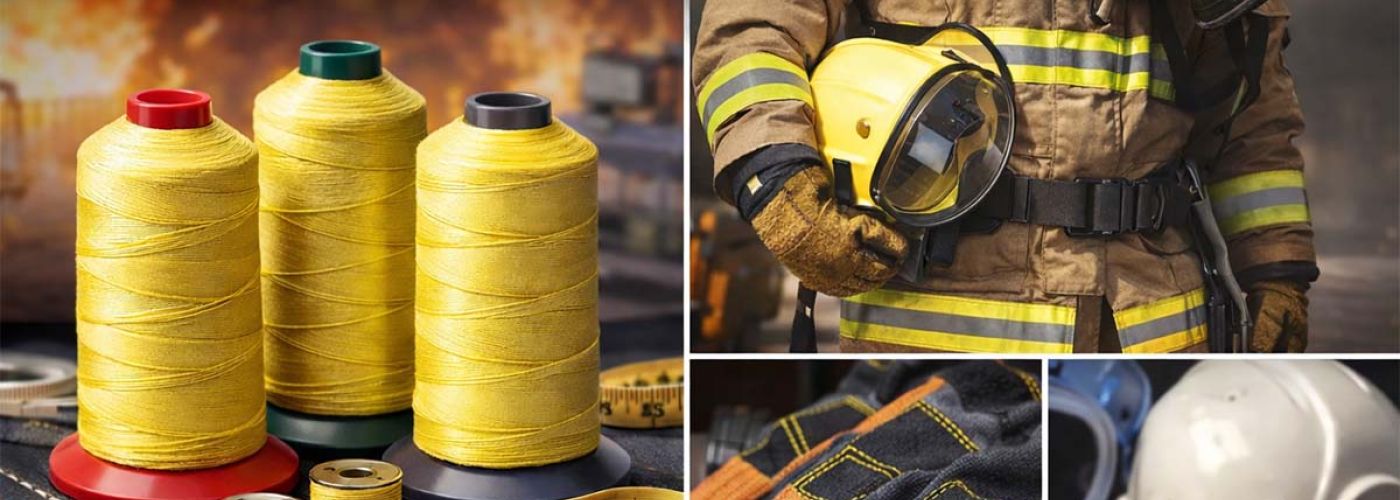
How to Choose Aramid Sewing Thread for Your B2B PPE Imports?
Key Takeaways
- MH supplies both para aramid and meta aramid threads for PPE seams, protective clothing, and high temperature uses, available on industrial spools and cones.
- Para-aramid thread offers high tensile strength and excellent cut and abrasion resistance, ideal for gloves, safety footwear, and load-bearing seams.
- Meta aramid thread is the preferred flame-resistant option for firefighter suits, welding jackets, coveralls, and thermal insulation, resisting high heat without melting.
- MH provides consistent shade control, technical datasheets, test reports, and production advice to help select the right thread size and construction for durable seams.
- Share your fabric, GSM, and end-use details to receive thread recommendations and samples for trials.
What Is Aramid Sewing Thread?
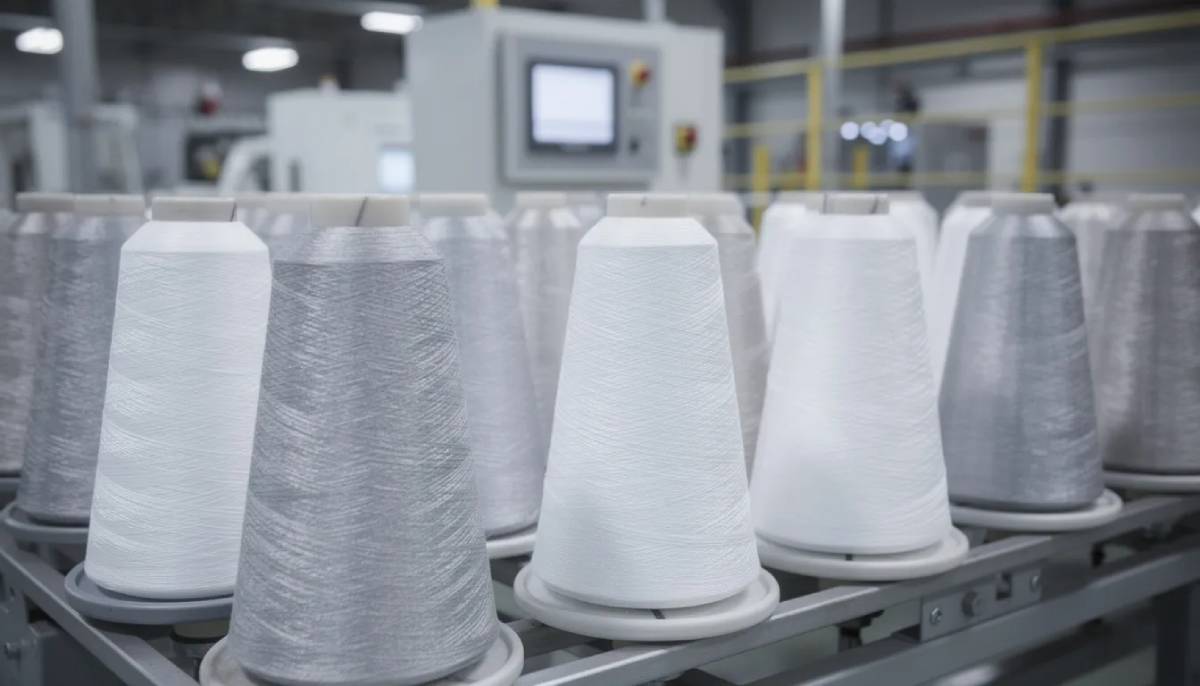
Aramid sewing thread is a heat-resistant thread made from aromatic polyamide fibers, designed for PPE seams, protective clothing, and technical textiles where standard threads fail. The two main types—para-aramid and meta-aramid—offer excellent thermal stability with different strengths.
Unlike polyester or nylon, aramid threads don’t melt or drip under flame or high heat. They retain strength at temperatures where thermoplastic threads fail, making them essential for safety-critical seams.
Common uses include firefighting gear, welding clothing, industrial gloves, automotive insulation, safety footwear, and military equipment.
MH supplies aramid threads in various sizes, ply constructions, and finishes, offered on large cones for industrial sewing lines and heavy-duty equipment.
Why Aramid Thread Is Used in Heat & Flame Protection
PPE seams often fail under heat, flame, or mechanical stress if the thread melts or weakens, compromising protection. Flame and heat resistant threads like aramid are essential for garment integrity.
Key reasons to choose aramid thread:
- High temperature resistance: Aramid maintains strength above 500°F, unlike nylon or polyester which weaken around 350°F.
- Non-melting: Aramid fibers char instead of melting or dripping, preventing burns and flame spread
- Self-extinguishing: Aramid stops burning once the flame is removed, due to its inherent fiber chemistry.
- Seam strength retention: Aramid seams keep much of their strength after heat exposure, ensuring durability.
These properties help meet protective clothing standards and reduce seam failures, unlike cotton, polyester, or nylon threads which degrade under heat.
Para-Aramid vs Meta-Aramid: Which One Do You Need?
MH supplies both para-aramid and meta-aramid threads. Choosing the right one means balancing flame resistance, strength, and cost for your specific project.
Para-aramid (like Kevlar) is a high-strength fiber known for excellent cut and abrasion resistance. Its stiff, strong structure is ideal when seam durability is critical. It is the top choice for industrial cut-resistant gloves, heavy-duty safety footwear, and load-bearing harnesses.
Meta-aramid (like Nomex) focuses on flame resistance and thermal insulation. It remains stable under heat and has a softer feel, making it more comfortable for apparel. It is typically used for firefighter jackets, welding gear, and thermal linings where heat protection is the priority.
Heat vs. Flame Resistance:
Heat resistance is the ability to maintain strength during long-term exposure to high temperatures.
Flame resistance means the thread won't melt or drip in direct fire and will self-extinguish once the flame is removed.
Both fibers are inherently flame-resistant, meaning their protective properties won't wash or wear away over time.
Strength Comparison:
Para-aramid offers much higher tenacity and cut resistance, allowing for thinner threads with the same seam strength. While meta-aramid is less powerful, it is still far stronger and more heat-stable than standard polyester or cotton.
Quick Guide:
Use Para-aramid for: Industrial glove palms, safety footwear, and high-stress stitching where abrasion is a threat.
Use Meta-aramid for: Firefighter suits, welding jackets, and flame-resistant coveralls where comfort and flame protection are key.
Contact us for a technical comparison sheet to find the best fit for your product line.
Heat Resistance vs Flame Resistance
Heat resistance means a thread can keep its strength during long exposure to high temperatures, like several minutes or hours at 400°F.
Flame resistance refers to a thread’s behavior in direct flame: it won’t melt or drip, self-extinguishes when the flame is removed, and limits flame spread along seams. This is crucial for PPE to prevent injuries and maintain protection.
Both para-aramid and meta-aramid fibers are inherently flame resistant due to their molecular structure, ensuring lasting protection through washing and use.
Meta-aramid and its blends are often chosen for flame-exposed garments, while para-aramid adds seam strength and cut resistance for durability.
Para-aramid thread offers very high tenacity and cut resistance, allowing smaller thread sizes for the same seam strength, reducing bulk in gloves and footwear.
Meta-aramid thread, though less strong than para-aramid, is still much stronger and more heat-stable than polyester or cotton, providing adequate strength with easier sewability and better fabric feel.
For abrasive environments like welding glove palms or safety boots, para-aramid or para/meta blends extend seam life due to superior cut and abrasion resistance.
MH can advise on minimum seam strength and suitable thread choices based on your PPE category and fabric weight.
Typical End-Uses by Aramid Type
Meta aramid thread applications:
Meta aramid thread is the standard choice for firefighter jacket shells, trouser seams, flame resistant coveralls, and hoods where flame protection and dimensional stability under heat are essential. It is also widely used in hot gas filtration bags and thermal insulation products where the thread must withstand continuous elevated temperatures without degradation.
Para aramid thread applications:
Para aramid thread is preferred for industrial cut-resistant gloves, ballistic and stab-resistant equipment seams, high-load attachment points on harnesses, and heavy stitching on safety boots. Any application where the seam faces cutting forces, high abrasion, or extreme mechanical loads benefits from para-aramid’s superior tenacity.
Mixed strategies:
Many manufacturers use a combination approach: para-aramid in critical stressed seams (shoulder load points, harness connections, toe reinforcement) and meta-aramid in bulk garment seams for comfort and flame performance. This balances cost, sewability, and protection.
Thermal and acoustic insulation:
For automotive exhaust insulation, furnace curtains, and industrial insulation products, meta aramid thread is commonly used to quilt or bind insulating materials. The thread withstands the continuous heat exposure without degrading while remaining easier to sew than stiffer para-aramid alternatives.
MH can customize thread packages and constructions to match multi-product factories that need both para- and meta-aramid solutions across their PPE range.
Typical Applications & Recommended Thread Choices
This section provides application-based guidance rather than fixed “one-size-fits-all” numbers. Final selection should always consider fabric type, GSM, seam load, and any applicable local regulations.
Firefighter Suits
Recommend meta aramid thread for most shell and liner seams due to its flame resistant and thermal performance. The thread matches the behavior of common firefighter fabric and maintains seam integrity under radiant heat exposure. For highly stressed zones—shoulder straps, knee reinforcements, drag handles—optional para aramid reinforcement provides additional mechanical strength. Typical thread sizes range from Ne 24s–36s for standard seams, with heavier gauge for stress points.
Welding Jackets and Aprons
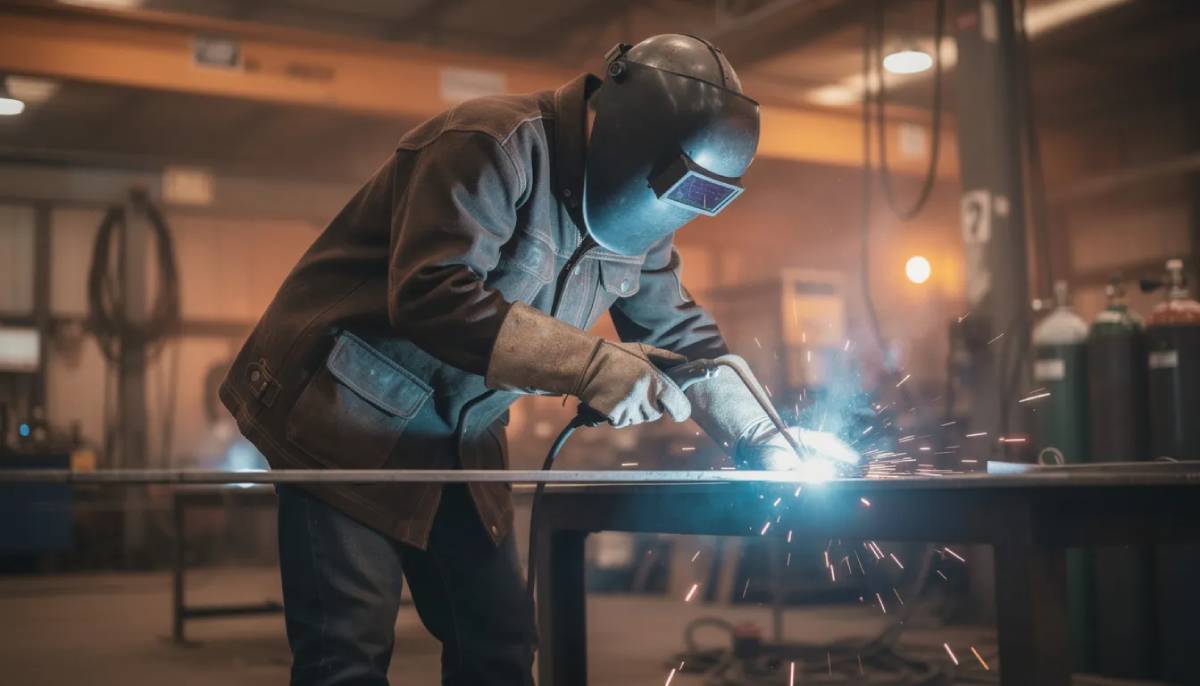
Meta aramid thread works well for garment assembly, withstanding sparks and radiant heat from welding operations. For edge bindings, reinforcement patches, and straps exposed to additional abrasion and mechanical pull, para aramid thread delivers better long-term durability. The combination approach optimizes both flame protection and wear resistance.
Industrial Gloves
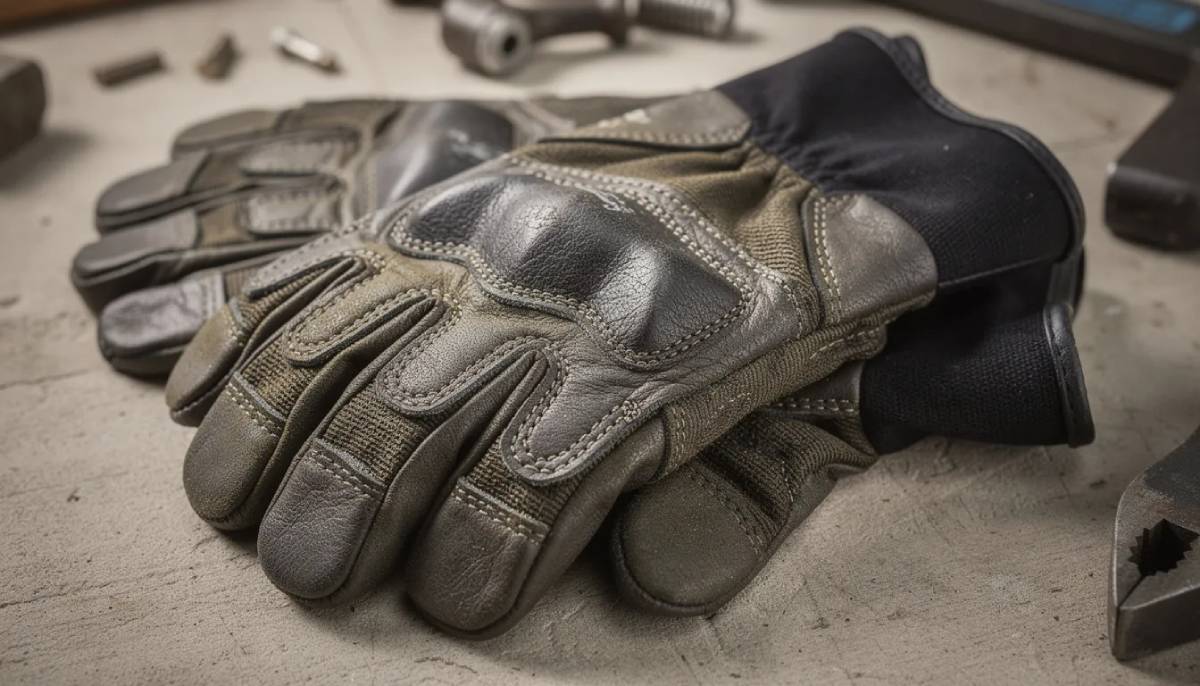
Para aramid thread is the standard choice for palm, finger, and crotch seams where cut and abrasion are highest. Its high tensile strength and cut resistance keep seams intact under demanding conditions. Meta aramid or meta-aramid-blend threads can be used in cuffs and less stressed areas to balance cost without compromising seam performance.
Thermal Insulation Products
Meta aramid thread is commonly used for quilting insulation mats, sewing insulation covers, and binding materials around hot pipes or equipment. The thread offers good thermal stability and easier handling in bulk sewing operations compared to stiffer para-aramid alternatives. Applications include automotive exhaust insulation, furnace curtains, and industrial thermal barriers.
Protective Footwear and Heavy-Duty Seams
Para aramid thread is commonly used for outsole seams, toe and heel reinforcements, and seams under heavy flexing and load. Bonded para aramid variants prevent fraying during high-stress stitching through multiple layers.
MH can match your current polyester or nylon ticket sizes with aramid equivalents to maintain seam strength while adjusting for aramid’s properties.
Send MH your end-use list (firefighter coat, welding glove, apron, safety boot) for thread recommendations with para/meta options and sizes.
How do I start a trial order to evaluate MH aramid thread for my production?
Contact MH with your application details: fabric type, GSM, seam types, current thread specifications, and production volume expectations. MH will recommend suitable aramid thread options and send sample cones for trial sewing. After evaluating sewability and seam performance on your machines, you can proceed with production quantity orders with confirmed specifications and pricing.