 Whatsapp:
  Email: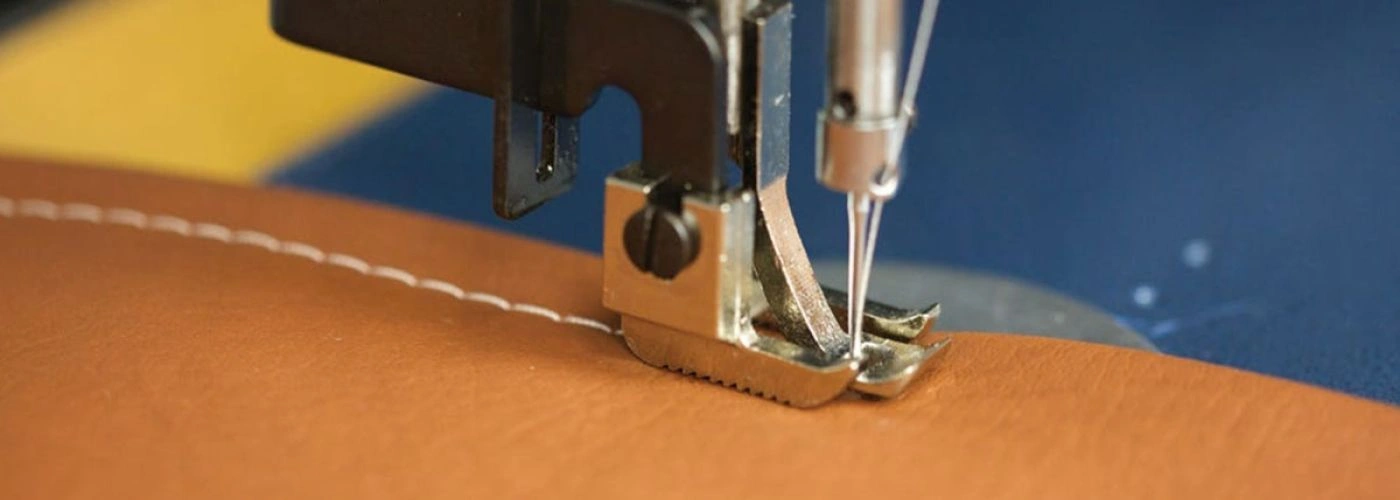
Leather Sewing Thread Size Chart for Leather Projects
When sewing leather — whether by hand or machine — choosing the correct thread size is just as important as selecting the right needle or stitch type. The leather sewing thread size determines not only the strength of your seams but also how your final project looks and feels. Thread diameter is a key specification that affects both compatibility with needles and the overall aesthetics of your leatherwork. There is also a significant difference between natural threads, like cotton and linen, and synthetic threads, such as polyester and nylon, which impacts their suitability for different leather projects.
At MH Thread, we supply a full range of threads for leather, from fine waxed polyester to heavy-duty bonded nylon, available in every size needed for professional leathercraft and upholstery work. Threads are available in a wide range of colors, including brown, to match any project. Premium threads are often chosen for use in luxury leather goods due to their superior quality and finish. Traditional options like cotton thread are still valued for their pliability and appearance, especially in hand-stitched leatherwork.
Why Thread Size Matters in Leather Sewing
Leather is dense and non-stretchable, meaning every stitch must be strong enough to hold but smooth enough not to damage the material. If your leather thread size is too thin, seams may break under stress; too thick, and the leather may tear or appear bulky. It's important to consider the thread weight when selecting for different leather thicknesses, as the right weight ensures both durability and a professional finish.
A well-chosen thread size for leather gives you:
-
Balanced strength and flexibility
-
Clean, consistent stitch appearance
-
Smooth sewing performance
-
Longer seam durability
For best results, the thread should be of the same thickness as the leather to achieve both durability and a balanced look.
That’s why every professional leatherworker relies on a leather thread size chart when selecting their materials. When looking at the Tex number, remember that the thicker the thread, the more suitable it is for heavy-duty or decorative stitching.
Professionals always choose based on the specific requirements of their project, such as leather type, thread weight, and the desired finish.
Leather Sewing Thread Size Chart
Here’s a practical thread size chart for leather to help you match your material, application, and desired look. This chart includes information on thread diameter and thread sizes for easy reference.
| Thread Size (Tex) | Common Denier | Recommended Leather Type | Example Use | MH Thread Product |
| Tex 35 – Tex 70 | 70D – 150D | Soft or thin leathers | Wallets, watch straps, small leather goods, sewing patches onto caps or straps |
MH Waxed Polyester |
| Tex 90 – Tex 135 | 210D – 270D | Medium leather | Belts, bags, accessories, sewing patches onto backpacks, working with canvas for outdoor gear | MH Bonded Nylon |
| Tex 210 – Tex 270 | 420D – 630D | Thick leather | Saddlery, footwear, upholstery, stitching luggage such as trunks or attaché cases | MH Bonded Polyester |
| Tex 350+ | 840D+ | Very thick, heavy-duty leather | Automotive, furniture upholstery, heavy luggage, canvas tarps | MH Heavy-Duty Thread |
???? Tip: The larger the Tex number, the thicker and stronger the thread. For fine leather goods, stay under Tex 90; for upholstery, Tex 210 or higher is ideal.
Note: Always select the right size thread for your leather thickness and project type. Matching thread diameter with needle size ensures strong, durable stitches, especially when sewing patches, canvas, or luggage.
Understanding thread diameter and thread sizes helps you choose the correct needle and achieve the best results for your leather projects.
Matching Thread Size with Needle and Project
Selecting the right needles for different thread diameters is crucial for achieving strong, clean stitches and preventing thread breakage. Thread size works hand in hand with needle size and leather thickness. Here’s a quick guide to balance them:
| Leather Type | Thread Size | Needle Size | Project Example |
| Thin leather (purse, glove) | Tex 35–70 | #10–#14 | Small crafts, accessories |
| Medium leather (bag, belt) | Tex 90–135 | #16–#18 | Everyday leather goods |
| Thick leather (saddle, upholstery) | Tex 210–270 | #20–#23 | Automotive or heavy projects |
Note: Always match thread diameter with the appropriate needle size to ensure smooth stitching and to avoid skipped stitches or thread fraying.
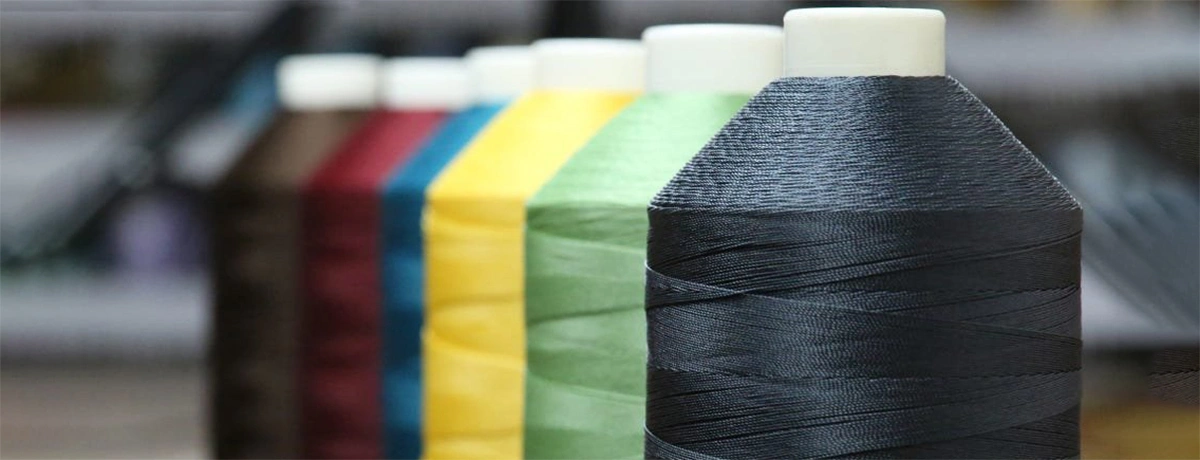
For machine leather sewing, use bonded polyester or nylon threads. Make sure your sewing machine is set up with the correct leather machine needles and that the bobbin thread size matches your top thread for balanced tension and optimal results.
For hand sewing, opt for waxed polyester thread, as it glides smoothly and holds knots firmly. For projects involving cotton fabrics, consider using cotton sewing thread for its breathability and compatibility.
To sew leather effectively, both the needle and thread must be chosen to suit the leather's thickness and the specific requirements of your project.
MH Thread Solutions for Every Leather Project
At MH Thread, we provide a complete leather sewing range — from fine decorative stitching to heavy upholstery threads (with thick thread ideal for demanding applications), ensuring perfect performance on every project. We also offer synthetic thread options for enhanced durability.
Our product features include twisted thread construction for added strength, and some threads are available as UV resistant thread for outdoor or sun-exposed projects.
Suitable projects for our premium thread include wallets, belts, saddlery, and handbags, ensuring high-quality results for both professional and hobbyist leathercraft.
Our Bestsellers:
-
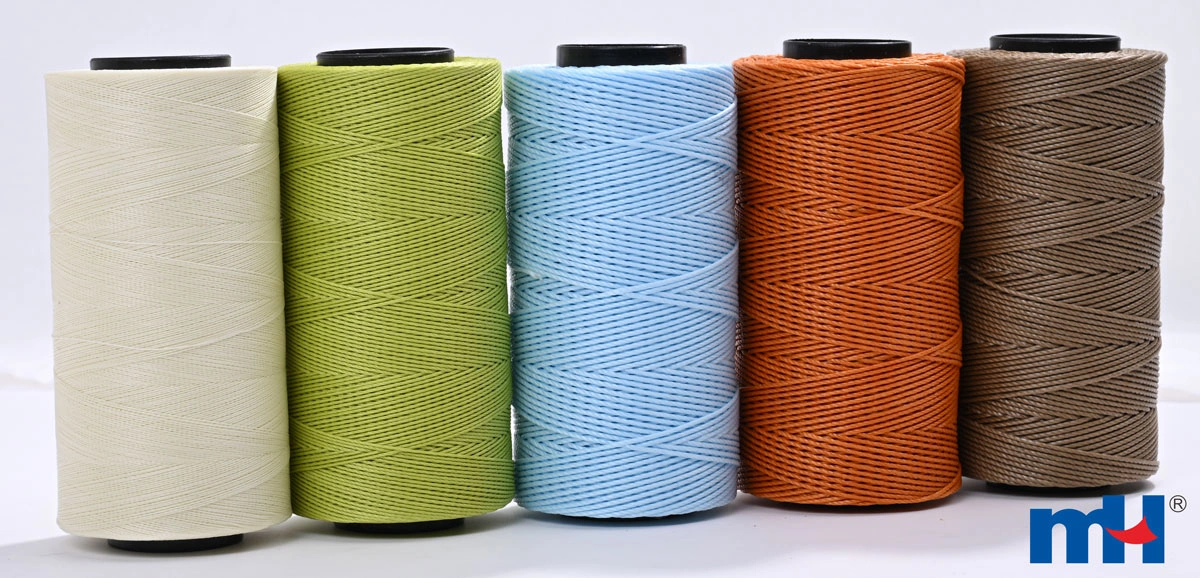
MH Waxed Polyester Thread – smooth, strong, with twisted thread construction that enhances strength and durability, ideal for hand-sewn leather crafts.
-
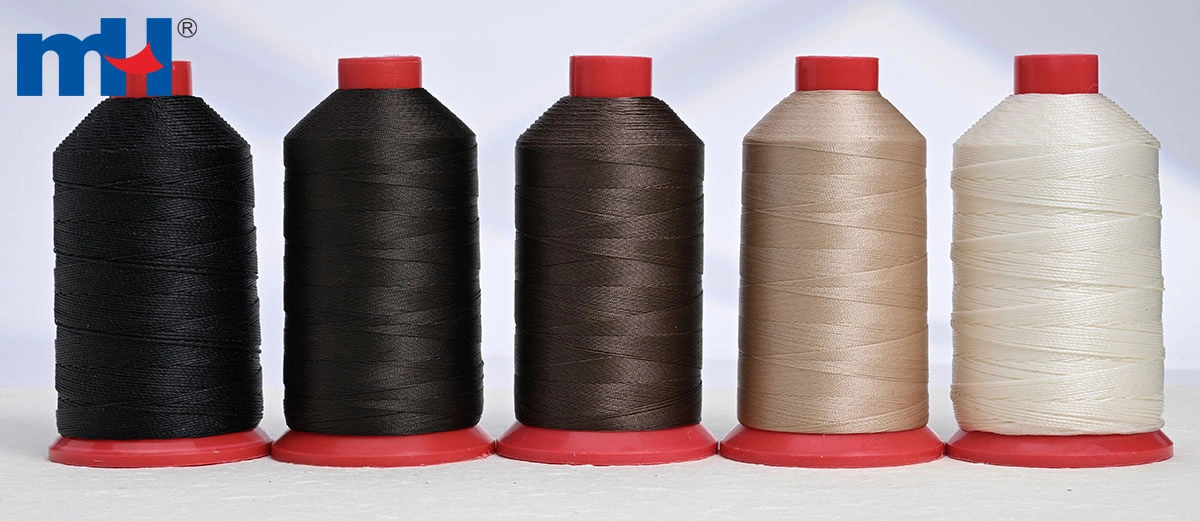
MH Bonded Nylon Thread – high-tensile strength, featuring twisted fibers for added durability, perfect for bags, belts, and upholstery.
-
MH Bonded Polyester Thread – UV and moisture resistant, excellent for automotive and outdoor leatherwork.
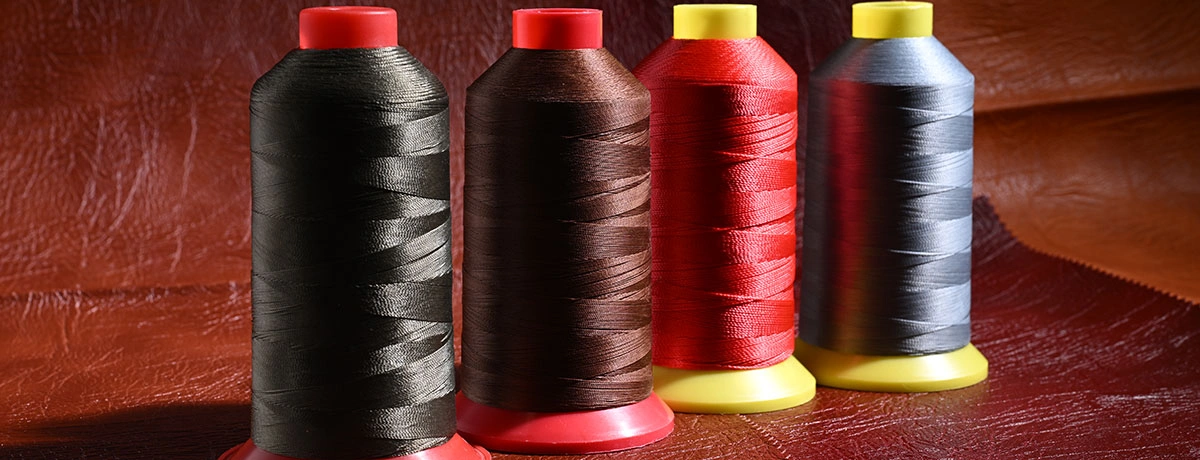
All MH threads are:
-
Available in multiple Tex sizes (35–600)
-
Produced under strict colorfastness and tension standards
-
Supplied with custom color matching and OEM packaging options
Why Professionals Choose MH Thread
-
25+ years of manufacturing experience
-
Exports to 150+ countries
-
Factory-direct pricing and global delivery
-
Trusted by leather factories, upholstery workshops, and crafters worldwide
From small leather goods to industrial upholstery, MH Thread ensures your work looks refined, feels durable, and stands the test of time.
Order Leather Sewing Thread by Size
Looking for the perfect thread size for leather? MH Thread offers a full leather thread size chart, professional consultation, and worldwide supply — so you always get the right thread for every project.
MOQ: flexible bulk orders accepted
Colors: full Pantone range (typically, the most popular thread sizes and colors are kept in stock for immediate delivery)
Shipping: global delivery with stable production
???? Visit MH Thread Official WebsiteDiscover premium leather sewing threads — from fine waxed polyester to heavy-duty bonded nylon — all available in your ideal size.


Common Mistakes to Avoid When Sewing Leather
When it comes to sewing leather, even experienced crafters can run into issues that affect the quality and longevity of their finished leather goods. Avoiding these common mistakes will help ensure your projects are both durable and visually appealing.
1. Using the Wrong Thread Size or Type:Selecting the right thread size is crucial. If you use a thread that’s too thick for your leather, the stitches can look bulky and may even cause the leather to tear. On the other hand, a thread that’s too thin won’t provide enough strength, leading to weak seams that can break under stress. Always refer to a thread size chart and choose a thread—such as bonded polyester thread, bonded nylon, or waxed linen thread—that matches your project’s needs.
2. Mismatched Needle and Thread:Pairing the correct needle size with your chosen thread is essential. A needle that’s too small for the thread can cause fraying or breakage, while a needle that’s too large can leave oversized holes, weakening the leather. For best results, always match your needle size to your thread size, especially when using industrial sewing machines or home sewing machines.
3. Inappropriate Machine or Hand Sewing Technique:Not all sewing machines are created equal. Industrial sewing machines are designed for thicker leathers and heavy-duty projects, while home sewing machines are better for fine leathers and small leather goods. For hand sewing leather, use strong, waxed thread or bonded thread to ensure your stitches hold up over time.
**4. Overlooking Thread Material and Resistance:**The type of thread you choose matters. Linen thread is a classic choice for hand stitching leather, but for projects exposed to high temperatures or sunlight, opt for polyester thread or nylon thread for their UV resistance and durability. Bonded polyester thread and bonded nylon thread are especially good for projects that will face friction and wear.
5. Ignoring Thread Color and Tex Size:The color and tex size of your thread can dramatically affect the look of your finished piece. A thread that’s too dark or too light may not complement your leather, and the wrong tex size can compromise both appearance and strength. Always test your thread color and tex size on a scrap piece before committing to your final project.
**6. Skipping Reference Guides:**Don’t guess—always consult the ultimate guide and the following chart for sewing leather. These resources help you select the right thread, needle, and technique for your specific material and project.
By steering clear of these common mistakes and paying close attention to your thread size, needle size, and sewing method, you’ll achieve professional-quality results in your leather sewing projects. With the right preparation and a little practice, your hand stitching, machine sewing, and finishing touches will stand the test of time—no matter what type of leather goods you create.
